Romans 12:6–16
6 Having gifts that differ according to the grace given to us, let us use them: if prophecy, in proportion to our faith; 7 if service, in our serving; the one who teaches, in his teaching; 8 the one who exhorts, in his exhortation; the one who contributes, in generosity; the one who leads, with zeal; the one who does acts of mercy, with cheerfulness.
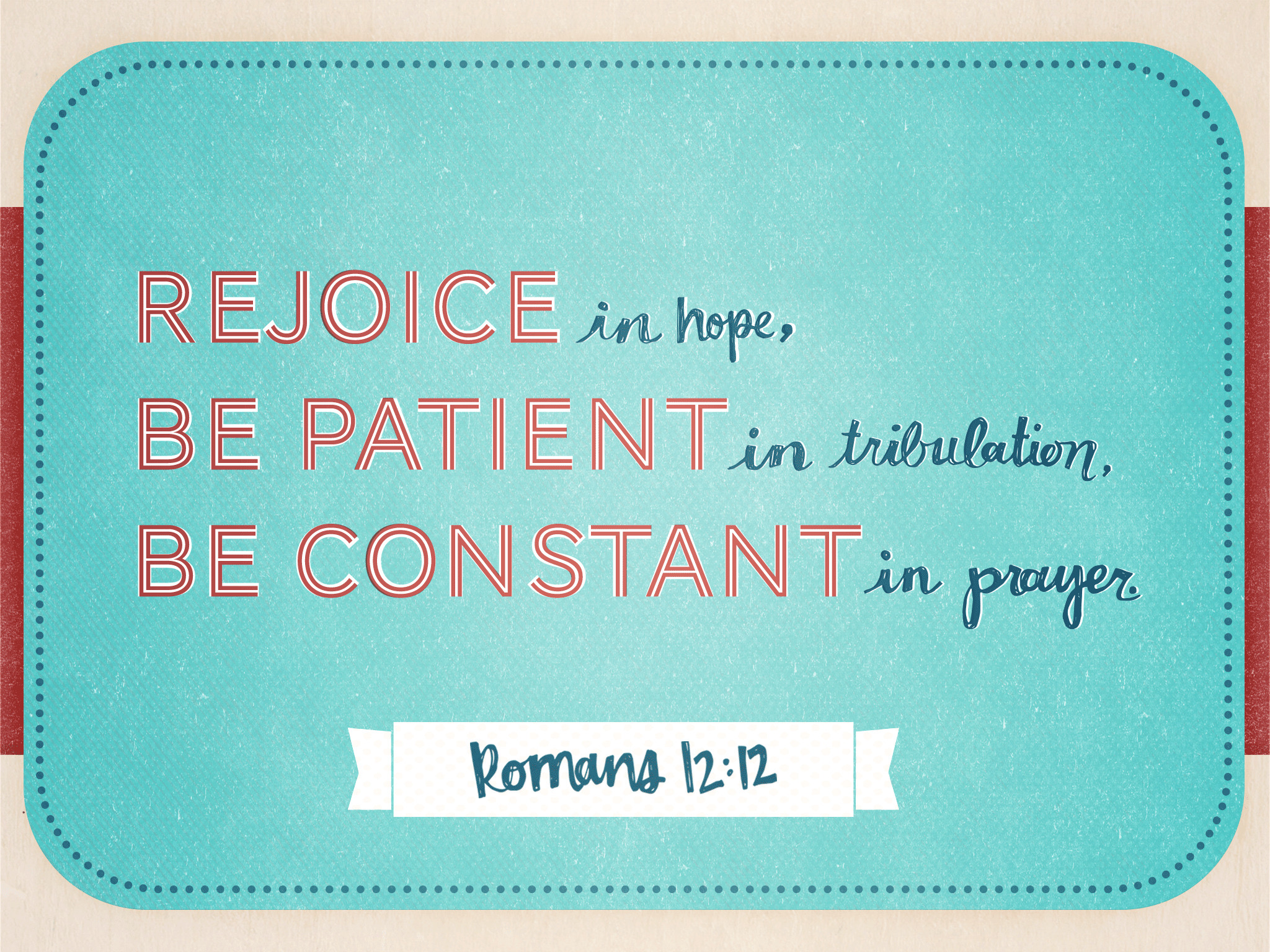
9 Let love be genuine. Abhor what is evil; hold fast to what is good. 10 Love one another with brotherly affection. Outdo one another in showing honor. 11 Do not be slothful in zeal, be fervent in spirit, serve the Lord. 12 Rejoice in hope, be patient in tribulation, be constant in prayer. 13 Contribute to the needs of the saints and seek to show hospitality.
14 Bless those who persecute you; bless and do not curse them. 15 Rejoice with those who rejoice, weep with those who weep. 16 Live in harmony with one another. Do not be haughty, but associate with the lowly. Never be wise in your own sight.
In the name of Jesus. Amen.
When you stub a toe, your whole body reacts. Your face scrunches and grimaces in pain. Your arms and hands reach down to clasp the toe. Your throat groans, shrieks, or shouts. All of that happens naturally and instinctively. When you stub your toe, the rest of the parts of your body don’t say, “Who cares? That’s the toe’s problem.” I’ve never heard someone with knee, hip, or neck pain say, “The knee that is attached to me hurts,” or, “The neck that holds up this head hurts.” Instead, people say, “My knee hurts. My neck hurts.” And the whole body does what it can to help the part that hurts.
Dear saints, the Body of Christ is no different. When one part of the body suffers, the whole body is involved in that suffering. When one part rejoices, the whole body is involved (see also 1 Cor. 12:26). Being part of this congregation isn’t just about coming to hear the sermon. It’s about being a body, Christ’s Body. No one here is free to consider yourself separate or independent from anyone else here.
The reason I mention the Body of Christ is that today’s reading continues from last week’s. One time, Martin Luther preached on this text, and he said that starting the reading at v. 6 was the idea of someone who doesn’t understand the Bible. I think that’s an overstatement, but it is unfortunate to start at v. 6. Let me reread the final couple verses of last week’s Epistle, which lead up to this text but you didn’t hear today. Starting back at Ro. 12:4-5, “For as in one body we have many members, and the members do not all have the same function, so we, though many, are one body in Christ, and individually members one of another.” Then, our text continues, “Having gifts that differ according to the grace given to us, let us use them….”
The context of today’s text is that you are a member of a body – that’s what Christ intends for you. Yes, the whole Christian Church throughout the world and throughout time is the Body of Christ. Jesus is the One Head, and all Christians are the Body. But there’s no way this matters unless there is a local, in-person group of members. In other words, a congregation. Yes, there are Christians in Australia, Uganda, Brazil, and even Iowa. But you aren’t close enough to them geographically to do much for them. I know for a fact that there are Christians in Papua New Guinea because I know missionaries who have been there. But I haven’t met a single one of those believers. For them, I can’t do most of the things this text calls for. I can’t exhort, teach, or honor them. I can’t rejoice with them when they rejoice or weep with them when they weep. It’s just not possible.
This text wants each believer to focus on the parts of the Body of Christ that God has gathered around them. In other words, care for the people here, in this congregation. That’s why this is written to the Christian church in Rome. It’s why Paul uses the same analogy in his letter to the church in Corinth (1 Cor. 12). And God wants this same arrangement for us here and in every Christian congregation. That’s why it has been preserved for us in the Bible. God wanted this in Rome and Corinth 2,000 years ago, and He wants it here, now, among us.
And I have to say: You do a good job of this. When I teach new member classes, one of the most common things I hear is, “This place just feels like family.” So, please know that I’m not preaching this text to get on your case. I’m not rebuking you. Instead, just like a sprinter will keep training to get a faster time, there is always room for improvement.
We can improve at serving, contributing, leading, being merciful, loving, abhorring evil, holding fast to the good, honoring, and showing hospitality. Let’s consider one area where we can improve today from v. 15, “Rejoice with those who rejoice, weep with those who weep.” The reason for diving into this is that I recognize my own shortcomings in this. So, yes, your preacher today is preaching to himself. This is a, “Do as I say,” because it is what Scripture says, “not as I do,” because I fall short here.
Again, “Rejoice with those who rejoice, weep with those who weep.” First off, notice the prepositions there – with. God calls you to take on the joy and sadness of others. You aren’t called to fix people’s emotions or make them feel certain things. Instead, you join them in those emotions. As a poor example of this, think of Job’s friends; they got it half right. Job is sitting there in his horrific suffering, and his friends come to him. They were exactly right to do that. That’s where they should be. But their problem, which becomes a problem for Job, is that they try to fix everything, and they do an incredibly bad job at it.
Sure, there are times to rebuke, exhort, and encourage people. Scripture does call for that too (1 Tim. 5:20; 2 Tim. 4:2; Tit. 1:13; 2:15). But, dear saints, there are also times where you are to simply close your mouth, sit with others, cry and mourn with them if they’re sad, or jump and sing with them if they’re joyful.
This can be really hard, and for a variety of reasons. Again, we might be too quick to give advice, but another trap we easily fall into is comparing. When someone is struggling with something, it can be easy to share about a past struggle we had and make sure the other person knows how much worse we had it. Sometimes, just being there and listening to a person pour out their heart in sadness is exactly that that person needs.
As a good example of weeping with others, think about Jesus in Jn. 11. On Wednesday night, I taught through Jn. 11 where Jesus raises Lazarus from the dead. We won’t go through the whole thing, and I’m sorry to those of you who already heard this. But it’s worth hearing again. Jesus’ approach to Lazarus’ two sisters, Martha and Mary, and their grief is so interesting. Each sister talks to Jesus separately (Jn. 11:20-27, 32-34). Both of them say the same thing to Jesus when they see Him, “Lord, of You had been here, my brother wouldn’t have died.” But Jesus’ interaction with each of them is completely different.
So, the two sisters are dealing with the exact same problem – the sorrow for over the death of a brother. They both begin interacting with Jesus the exact same way. But Jesus comforts each of these sisters differently. For Martha, Jesus has words of consolation. “Your brother will rise again. I am the Resurrection and the Life” and so on (Jn. 11:23, 23, 25-26). But just a few verses later when Jesus consoles Mary, all He does is go to the tomb with her and weep with her (Jn. 11:33-35). Yes, Jesus calls Lazarus from the tomb and restores his life. But it’s that initial consoling Jesus has for each sister has a lot to teach us.
Here’s the lesson: get to know the different parts of Christ’s Body well enough so you know how to weep with them when they weep. If they’re already weeping, just be there for them. Join them in their sorrow. But when they aren’t weeping, make the effort to get to know them well enough so that, when they are weeping, you have a better idea of how to console them.
Finally, when you are weeping, know that people might not be able to do this well. But also know that Jesus does. Christ knows how to give you exactly what you need exactly when you need it. Jesus is here now. He invites you to His table to receive His Body and Blood. Here, Christ, the Great Consoler, continues to unite you as His Body and strengthen you in faith toward Him and in love toward one another. Amen.
The peace of God, which surpasses all understanding, will guard your hearts and minds in Christ Jesus. Amen.
 If Menards can have Christmas decorations out already and if the Hallmark Channel can do nonstop Christmas movies in July, then the Church can certainly have Easter in October. In fact, we have to celebrate Easter because this text screams Easter – loud and clear. But always before Easter, there is Good Friday. Before resurrection, there must be death. Good Friday sadness is a prerequisite to Easter joy. We have to see that first.
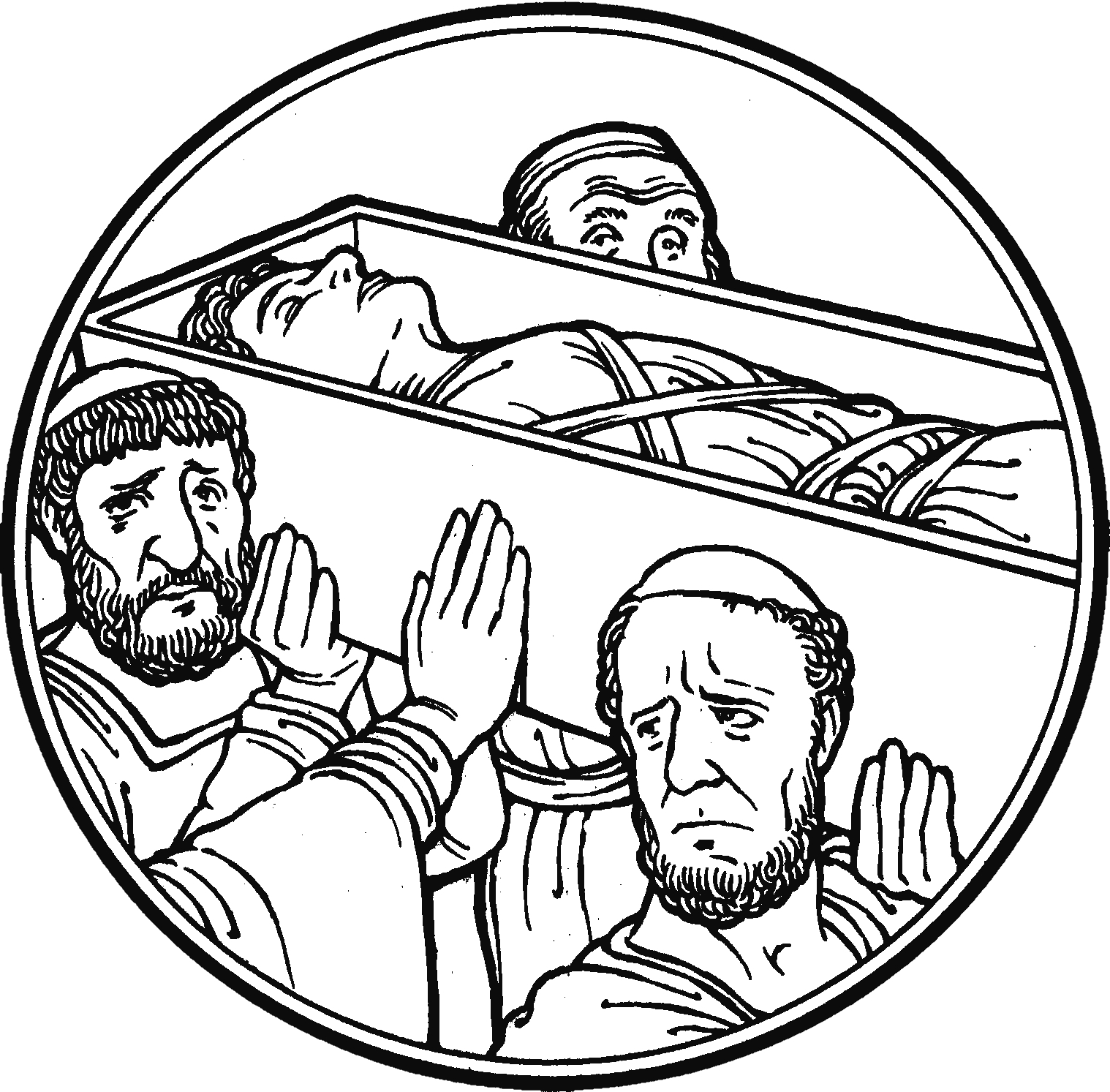 Then, Jesus walks past the pallbearers, straight up to the bier, touches it, and says, “Young man, I say to you, arise,” as though He was waking up a sleepy teenager late on a Saturday morning. The boy gets up and begins to speak. I wonder what he said.
 Jesus marches toward your funeral procession, and He does not stop or yield. Jesus does not give way or defer to death. Instead, Jesus defeats death with His death and resurrection, each and every time He meets it. Jesus meets you here today as you plod along in your personal funeral procession and gives you life. Jesus meets you at this altar to give you His living Body and His life-giving Blood.
 Pastorsamwise
You must be logged in to post a comment.