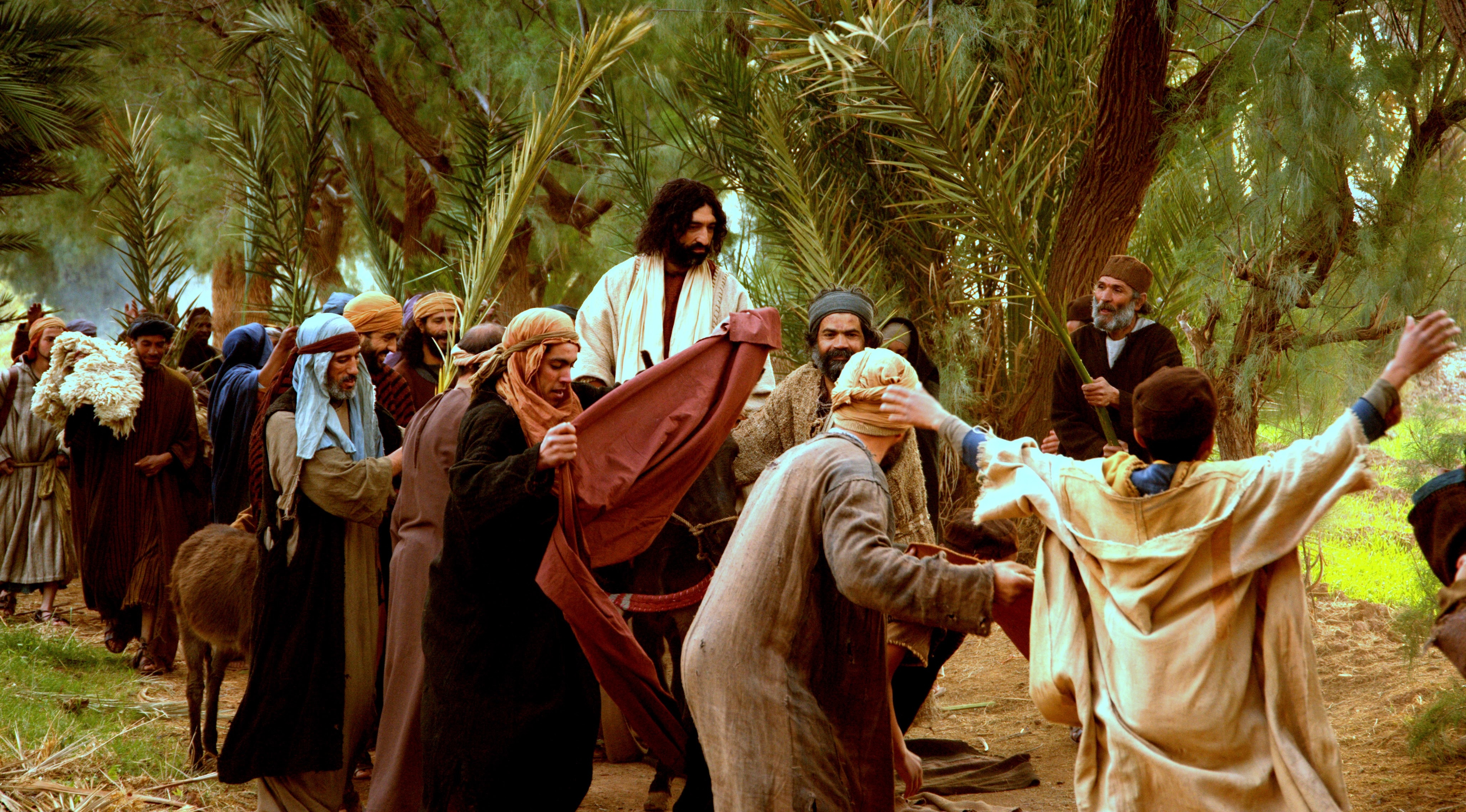
Dirty Work – Sermon on Ezekiel 34:11-16 for the Third Sunday of Easter

Ezekiel 34:11-16

11 “For thus says the Lord God: Behold, I, I myself will search for my sheep and will seek them out. 12 As a shepherd seeks out his flock when he is among his sheep that have been scattered, so will I seek out my sheep, and I will rescue them from all places where they have been scattered on a day of clouds and thick darkness. 13 And I will bring them out from the peoples and gather them from the countries, and will bring them into their own land. And I will feed them on the mountains of Israel, by the ravines, and in all the inhabited places of the country. 14 I will feed them with good pasture, and on the mountain heights of Israel shall be their grazing land. There they shall lie down in good grazing land, and on rich pasture they shall feed on the mountains of Israel. 15 I myself will be the shepherd of my sheep, and I myself will make them lie down, declares the Lord God. 16 I will seek the lost, and I will bring back the strayed, and I will bind up the injured, and I will strengthen the weak, and the fat and the strong I will destroy. I will feed them in justice.

Alleluia! Christ is risen! 
He is risen indeed! Alleluia!

In the name of Jesus. Amen.

One of the most common metaphors that the Bible uses for how we relate to God is the relationship between a shepherd and his sheep. It’s not the most common image, but it’s toward the top. It’s probably merciful that God didn’t make it the most common one because it isn’t overly complimentary. Sheep aren’t strong or fast or smart or impressive animals. Sheep are needy and, honestly, stupid. They get themselves into all kinds of dirty, sticky messes. The imagery isn’t meant to be flattering, but we don’t need to be flattered. God be praised that He doesn’t expect us to be anything more than His sheep.

When you’re the sheep, the image is very comforting. That’s why Psalm 23 is so popular. When you’re the Shepherd, it’s a lot of work – in fact a lot of dirty work. That’s why this text from Ezekiel 34 isn’t as well-known as Psalm 23. The context of this passage is that God is speaking against the shepherds (i.e. the rulers and religious leaders) whom He had called to shepherd His people. He is speaking against them because they hadn’t been faithful (Ezk. 34:1-10).

These shepherds failed to do what God called them to do. They had been feeding themselves instead of the sheep. They had fattened themselves by devouring the sheep. They had not strengthened the weak; they had not healed the sick; they had not bound up the injured, brought back the strayed, or sought the lost. Because of these failures, God’s sheep had been scattered over the face of the earth. God’s sheep had become food for the wild beasts, wandered all over the mountains, and were scattered with no one to search or seek them.

So right before our text starts, God says to those shepherds, “I am against you and will require My sheep from your hand.” God says that He’s going to put a stop to their neglect and lack of care for the sheep. He Himself will rescue them.

One of the classic children’s stories that I enjoy is “The Little Red Hen.” You remember how it goes. The little red hen finds some wheat seed and asks her friends, the dog, the cat, the duck, and the pig a series of questions. “Who will help me plant the seed, water the seed, harvest the wheat, grind the grain, bake the bread?” To each question, there’s the rhythmic reply, “’Not I,’ said the dog, ’Not I,’ said the cat, ’Not I,’ said the duck, ’Not I,’ said the pig.” So, the determined hen says, “Then I will do it myself.” Then, when the bread is finally out of the oven, the little red hen asks, “Who’s going to help me eat the bread?” And of course, the dog, the cat, the duck, and the pig are all eager and ready to eat, but she says, “No, you didn’t help me plant, water, harvest, grind, or bake. I will eat it myself.” And she did.

This passage has a similar tone to it. The shepherds had not done their job, and so God says, “Ok. I will do it Myself.” And He does. He did exactly what we needed as His sheep.

God says that He, Himself, seeks us, rescues us from all the places we’ve been scattered on a day of clouds and thick darkness. He brings us out from the peoples, gathers us from the countries, brings us into our own land, and feeds us with good pasture. He makes us lie down, seeks us when we’re lost, brings us back when we’re strayed, binds us up when we are injured, strengthens us when we are weak. He does all the dirty work that sheep need from their shepherd. God’s frustration here is not directed at the sheep – it’s directed to the shepherds. God willingly does all of these things out of His love, care, and compassion for you, His sheep.

When Jesus calls Himself the Good Shepherd in our Gospel reading today (Jn. 10:11-16), He says that He is that Shepherd. His work of seeking us lost ones, bringing back us strayed ones, binding up our injuries, and strengthening our weaknesses – all of this happens as He lays down His life for us. That is how He is your Good Shepherd.

You are His sheep. He cares for you and does all the dirty work of being your Good Shepherd. Christ does all of this dirty work for the joy set before Him (Heb. 12:2) of having you as His sheep. Your Good Shepherd fully knows that you need to be fed, found, brought back, bound up, and strengthened. In other words, He knows you are His sheep who need His care.

But don’t miss the fact that, as your Good Shepherd, He knows what tasks and responsibilities you can handle. So, He calls you to be His under-shepherds. Just because you are an under-shepherd doesn’t mean you are no longer His sheep. You are always a sheep. But He, as the Good Shepherd, entrusts the care of His sheep to you. Can you imagine a parent saying about their kid, “That’s God’s child, not mine”? Of course not! A parent recognizes, “That’s my child that God has given and entrusted to me.”

Dear saints, every relationship you have is a calling from God to care for His beloved sheep. Be faithful in those callings whether you are a parent, a worker, a student, a friend, a sibling, whatever. You are an under-shepherd.

In our Gospel reading, Jesus calls us hired hands (Jn. 10:12-13). Jesus doesn’t say that all the hired hands are cowards who run away at the sight of the wolf simply because they are hired hands. He says that the ones who flee do so because they don’t care about the sheep. Christ has given you callings and wants you to have the same care for His sheep that He has entrusted to you. Again, the context of this passage from Ezekiel is clear that God intends that His under-shepherds be faithful in doing the dirty work of caring for His sheep. So, be a good under-shepherd.

Dear saints, you have been called to follow Christ’s example (1 Pet. 2:21). Imitate and follow Him. Your Good Shepherd has joined you to His cause of bringing back the strayed to the Shepherd and Overseer of souls (1 Pet. 2:25). Jesus is the Shepherd who clears the path before you, His sheep. Christ is also the janitor who cleans up after you when you fail as His under-shepherd.

Dear saints, you are called to do the dirty work of being shepherds, caring for God’s flock, and ministering to all the different needs of God’s sheep. You are to bind up the injured, bring back the strayed, and strengthen the weak.

I want to close with these verses from 1 Pet. 5:2-4 where the Holy Spirit says to all of us, “Shepherd the flock of God that is among you, exercising oversight, not under compulsion, but willingly, as God would have you; not for shameful gain, but eagerly; not domineering over those in your charge, but being examples to the flock.” And listen to the conclusion, “And when the chief Shepherd appears, you will receive the unfading crown of glory.” 

God be praised that Christ Himself is our Good Shepherd who both leads us and follows after us as He cares for all His sheep. Amen.

Alleluia! Christ is risen! 
He is risen indeed! Alleluia!

The peace of God, which surpasses all understanding, will guard your hearts and minds in Christ Jesus. Amen.

Out of the Marketplace & into the Vineyard – Sermon on Matthew 20:1-16 for Septuagesima Sunday

Matthew 20:1–16

1 “For the kingdom of heaven is like a master of a house who went out early in the morning to hire laborers for his vineyard. 2 After agreeing with the laborers for a denarius a day, he sent them into his vineyard. 3 And going out about the third hour he saw others standing idle in the marketplace, 4 and to them he said, ‘You go into the vineyard too, and whatever is right I will give you.’ 5 So they went. Going out again about the sixth hour and the ninth hour, he did the same. 6 And about the eleventh hour he went out and found others standing. And he said to them, ‘Why do you stand here idle all day?’ 7 They said to him, ‘Because no one has hired us.’ He said to them, ‘You go into the vineyard too.’ 8 And when evening came, the owner of the vineyard said to his foreman, ‘Call the laborers and pay them their wages, beginning with the last, up to the first.’ 9 And when those hired about the eleventh hour came, each of them received a denarius. 10 Now when those hired first came, they thought they would receive more, but each of them also received a denarius. 11 And on receiving it they grumbled at the master of the house, 12 saying, ‘These last worked only one hour, and you have made them equal to us who have borne the burden of the day and the scorching heat.’ 13 But he replied to one of them, ‘Friend, I am doing you no wrong. Did you not agree with me for a denarius? 14 Take what belongs to you and go. I choose to give to this last worker as I give to you. 15 Am I not allowed to do what I choose with what belongs to me? Or do you begrudge my generosity?’ 16 So the last will be first, and the first last.”

In the name of Jesus. Amen.

Was this vineyard owner being fair, or was he being merciful? Was he being just, or was he being gracious? As I was preparing for the sermon this week, I came across several sermons that summarized the parable as a dichotomy: “Not fair, but merciful,” or, “Not just, but gracious.” If you think fairness and mercy or justice and grace do not exist together, you are wrong. Just plain wrong.

We must get one thing straight. With this parable, Jesus isn’t giving advice on how to run a business. An economic system where everyone is paid equal wages without considering how much experience they have, the skills required for the position, or the number of hours a person works has been tried. Even when whole governments try to force this type of arrangement in the country, it fails. It fails miserably, and that failure is always accompanied by a lot of suffering and death. But even in a small business, it doesn’t work. There are tons of examples of this, but I was reading about one particular company near London that tried to do this,[1]and the experiment lasted only a year before they had to abandon it and adopt a normal pay scale.

The reason this doesn’t work is companies do not have unlimited, infinite resources. Sure, they might have massive profits and huge budgets, but that doesn’t mean a business can afford to pay everyone equally. Companies always need to be taking in more money than they are spending and paying. If a company doesn’t balance its finances, it won’t be in business for long. A business should pay its employees a fair day’s wage for a fair day’s work. The economy of the marketplace needs to operate on a fair and just scale because it is always dealing in the realm of supply and demand, and supply is always limited.

Now, all of that is just basic economics. But I am not an economist, I don’t play one on TV, and didn’t I stay at a Holiday Inn last night. And this is not an economics lecture; this is a sermon. I only say all of that to set the stage so you can see that the vineyard owner is fair and just as well as merciful and gracious. Through the whole parable, this vineyard owner follows every standard of just of economics.

In Jesus’ day, you didn’t have a 9-5 job; instead, you worked while it was light until it got dark. Because Israel is geographically close to the equator, the workday throughout the year is basically consistent, 6 AM to 6 PM. We don’t have that luxury here in the bitter north. Our shortest day has about 8.5 hours of daylight, and our longest day just over 16 hours. So, this vineyard owner goes to the marketplace to hire workers just before sunrise. In Jesus’ day (and still today), people who didn’t have regular jobs would gather in a certain spot in the marketplace hoping to be hired – even if it was just for a day. The vineyard owner selects some workers and offers them the standard wage for a regular workday – one denarius. Because the arrangement is acceptable to the workers he selects, off to the vineyard they go. They have the confidence and security that they will be able to provide for their family for the day.

About the third hour of the workday, think 9 AM or during the morning coffee break, the owner goes back to the marketplace, and notice how different v. 1 and v. 3 are. In v. 1, he goes to the market to hire workers. But in v. 3, there is no mention of the owner wanting to hire more workers. He simply goes to the marketplace and sees people who are still there hoping to get a job. The owner gives them two things: an invitation and a promise. Listen carefully to what he says, “You go into the vineyard too, and whatever is right I will give you.” This group sees it as a job offer, and since they trust the owner to be a fair and just guy, they go and work in the vineyard.

The owner goes out two more times – the 6th hour (lunchtime), and the 9th hour (afternoon break) – and does the exact same thing. “You go into the vineyard too, and whatever is right I will give you.” And the owner isn’t done visiting the marketplace. He goes again at the 11th hour, right as all the other businesses are getting ready to close up. He finds even more people standing around because no one hired them. Now, the owner simply invites them, “You go into the vineyard too.” They don’t get a promise of getting what is right, fair, or just. They are simply invited to leave the marketplace and go into the vineyard.

Now, the surprises start coming in the parable. Suddenly, there’s a new character, a foreman. Think of him as the manager of the vineyard. Now, why wasn’t this manager going out to hire workers? But we don’t even have time to ponder the question because the next two surprises come so quickly. The owner tells the manager lit., “Call the workers and pay them the wage.” (Our translation makes it sound like the wages are still a secret, but the Greek is clear.) No matter when they arrived in the vineyard, they all are to receive the wageof a full day’s pay. The final surprise comes with the order in which the wage is paid out. The owner decides that the order will be the last get their denarius first and the first will get their denarius last.

Why not do it the other way? Those who agreed for a denarius could get exactly what they bargained for, and every subsequent group would get a surprise that would bring more delight because they worked fewer hours. Everyone would be happy, and it would avoid the trouble of the argument which comes at the end of the parable. We could also ask, when the owner went to the marketplace at the eleventh hour, why didn’t he just toss a denarius to those who were still there? Why go through the trouble of bringing them to the vineyard? The answer to both questions is that the owner wants his grace and mercy to be seen and witnessed by everyone in his vineyard. This vineyard is the place to be. The owner doesn’t want them to have to go back to the marketplace.

Well, the grumbling comes, “These last worked only one hour, and you have made them equal to us who have borne the burden of the day and the scorching heat.” If those grumblers had thought two seconds about what they were saying, they would have realized their complaint roughly means, “This isn’t right, fair, or just. Why are you being gracious and merciful to them? They haven’t deserved it!”

Let me paraphrase the owner’s response, “Um, excuse me? I’ve been completely fair and just with you. Remember our contract this morning? You agreed on a denarius. You have it. It’s yours. You are free to do whatever you want with what is yours. Don’t I have the freedom to do what I want with what is mine? Why does the grace I give to others irritate you? You don’t have any less because I give more to others. I understand that you want to be richer at the end of the day. That’s fine. You are. I have chosen to be poorer at the end of the day. If you don’t like that, you can take what is yours, get out of my vineyard, and go back to the marketplace.”

The parable ends there, and we are left hanging. How did the full-day workers respond? Did they leave the vineyard where the owner runs things with both justice and mercy? We don’t know.

What would you do? Or, more accurately, what are you doing?

Again, this parable is not about companies and businesses who have limited assets. This parable is about the kingdom of your God who has unlimited resources, and the vastness of His resources is only outmatched by His incalculable mercy. There is only one vineyard and one master who is fair and just as well as being merciful and gracious like this. You can certainly return to the marketplace if you want, but there you will only find justice and no mercy.

Dear saints, in the end, there is only One who has worked a full day’s shift – Jesus. Christ has borne the burden and heat of the day. He has come and did the work you could never do. He has fully kept God’s Law and was perfectly obedient to God’s Commands. You get His wages, and this is Jesus’ delight. Christ willingly went to the cross got the wrath and punishment of sin that you deserve. For the joy that was set before Him, He endured the cross for you (Heb. 12:2). Jesus wants to bring you out of the marketplace and into the vineyard. There is no better place to be, but if you don’t like the vineyard, you are free to go.

Christ Jesus invites you to remain in His vineyard and never go back to the marketplace that is empty of mercy and grace. Because of the mercy and grace of God, you are no longer workers being overpaid. You are a member of the kingdom, a child of God, and a brother or sister of Christ. You remain with Him. Not only do you get paid generously; you also have a permanent place and remain in the vineyard.

And secure in His vineyard, Jesus invites you now to a feast at His table where He will give you what is right and just as well as what is merciful and gracious. So, come. Dear saints, when you confess your sins, He is faithful and just to mercifully and graciously forgive you and cleanse you from all unrighteousness (1 Jn. 1:9). Amen.

The peace of God, which surpasses all understanding, will guard your hearts and minds in Christ Jesus. Amen.


Information on the company in London that wasn’t used:

The company started out small, just five people. The owner realized everyone was basically contributing the same, so he talked to his employees, and they all agreed to be paid the same. From the owner himself down to the office assistant, they all received the same amount which is what they all agreed was a ‘decent living wage’ for London. For a while it worked just fine, but as the company grew, this wage model caused all sorts of problems. The company needed to hire more staff because of a higher demand for their services. When they advertised a position for a software developer, they didn’t get applicants because that skill is in high demand and was typically compensated higher than the living wage the company had set. And when they advertised for more another office assistant, they were inundated with applications because the salary was much higher than other companies were offering for the same type of work. In short, the experiment lasted only one year before the company started basing their salaries on experience and expertise.


[1] “CEO Secrets: ‘We tried paying everyone the same salary. It failed.’” https://www.bbc.com/news/business-55800730

The Non-Avengers – Sermon on Romans 12:16-21 for the Third Sunday after Epiphany

Romans 12:16-21

16 Live in harmony with one another. Do not be haughty, but associate with the lowly. Never be wise in your own sight. 17 Repay no one evil for evil, but give thought to do what is honorable in the sight of all. 18 If possible, so far as it depends on you, live peaceably with all. 19 Beloved, never avenge yourselves, but leave it to the wrath of God, for it is written, “Vengeance is mine, I will repay, says the Lord.” 20 To the contrary, “if your enemy is hungry, feed him; if he is thirsty, give him something to drink; for by so doing you will heap burning coals on his head.” 21 Do not be overcome by evil, but overcome evil with good.

In the name of Jesus. Amen.

We’re going to be spending a lot of time in this sermon thinking about vengeance, but to do that we have to establish something very basic first. Sin is bad, and the affects of sin are bad. I don’t think anyone here would disagree with that. Sin is awful, and the results of sin can be hideous. When you sin against others and know the hurt and pain you have caused, you feel terrible, and you should repent and reconcile with the person you have sinned against. And when someone sins against you, you know the injustice and pain that accompanies that too. Of course, depending on the nature and circumstances surrounding sins committed against you, that injustice will bring various levels of anger and pain that you have in response to that sin.

For example, imagine you are in the grocery store and have a shopping cart full of items and a pile of coupons. You are just a few steps away from the checkout line when someone who has an item or two quickly darts in line in front of you. That person has sinned against you. But you are only slightly perturbed and can let something like that roll off your back. You console yourself thinking how you were going to offer to let them go first anyway. Sure, you’re annoyed, but you can let it go fairly easily.

Ok now, flip the script. You are the one with only a couple items and the person who barges in front of you has the full cart and a ream of coupons. Now, you are going to be angry. And if you’ve already had a bad day and your patience has been spread very thin, you might be really angry. Maybe you will make loud sighs when their coupon doesn’t ring up the way they think it should or even say something rude to them. You might let that moment stew in your mind for the rest of the evening and next day, thinking of all sorts of ways you could have responded that would have made them feel bad.

Those responses to sin – whether you are only slightly annoyed or are angry and stewing – those responses reveal something about the nature of sin. Sin ruins things. It throws things off in the world makes the entire universe off-kilter. This is clear because it only took the one sin in the Garden to bring pain, strife, and death to all creation. Now, we’ve only known what it is to live in a world that is filled with the chaos of sin. But it is important for us to remember that when we sin and when we are sinned against, it is an injustice that brings further chaos and disorder to creation. Someone cutting in line in front of you might only affect your small corner of creation, but when you sin in response to your sphere of creation being thrown off, those effects continue to spread.

One more piece in all of this: When we see sin, injustice, and the hurt that accompanies all of that, we want to fix it. Since we are made in the image of God, we are like God and want to restore the order and justice which has been disturbed because of sin. That is what vengeance is. Vengeance isn’t necessarily a bad thing. We’ve gotten so used to the word ‘vengeance’ being used in a negative way that we think vengeance is always evil. Yes, vengeance can be evil, but look, God Himself here says, “Vengeance is Mine, I will repay.” Paul there is quoting Dt. 32:35. The same verse gets quoted again in Heb. 10:30. Throughout the Scriptures, both in the Old and New Testament, we hear that God will execute vengeance on the wicked and restore justice. In Ps. 94 and many other places in the Bible, this idea is repeated. God is just and will punish sin and make creation right again.

With all of that in our minds now, we can consider this text. Here in v. 19, Paul says, “Beloved, never avenge yourselves, but leave it to the wrath of God.” Christian, that is what you are to do. When you are wronged and sinned against, it might seem like everything in creation is against you – depending on the nature, gravity, and seriousness of the sin. But you are instructed here to not avenge yourself because executing vengeance is, typically, not your job. Instead, you are commanded to leave it to the wrath of God. “Beloved, never avenge yourselves, but leave it to the wrath of God,” and then Paul uses a very important word – ‘for.’ In other words, here is why you are not to avenge yourself, “for it is written, ‘Vengeance is Mine, I will repay, says the Lord.’” Bringing order and justice back to a broken creation is not your responsibility. Vengeance belongs to God.

You already know this, but I’ll give you an example. Since, I had you imagining yourself in a grocery store earlier, let’s stick with that setting. When you are in the store and a mom is there with her little boy who is whining, kicking, and screaming because she said, “No,” to the treat he wanted, you aren’t going to go over to that boy and punish him. It isn’t your job. You can’t go over to that boy and tell him, “Because you are acting like this, you don’t get desert tonight and will be going to bed early.” You can’t enforce that punishment. And you will be arrested if you spank the boy – as you should be. It isn’t your office to bring vengeance, justice, and punishment in that situation.

Now, of course, if it is your boy doing the exact same thing, you can and should punish him. God has placed you in a position of authority over your children to train, guide, and direct their behavior and character. Exactly how you do that is up to you since you are placed in that authority by God. An important thing here is that right after our text comes Ro. 13, and I would highly encourage you to read this text along with Ro. 13 together. In Ro. 13, Paul will say that every authority that exists is placed in that position by God, and God puts people in positions of authority to bear God’s sword of vengeance – i.e. to be the hand of God that punishes people who sin and do wrong.

Now, this is a brief but important aside: There are times when the authorities that God has put in positions to punish sin do not use that authority as they should. Sometimes, they let the guilty off with minimal or no punishment, and other times they overstep their bounds and punish the innocent. That happens. But navigating those situations falls outside the scope of this sermon. I will say that is an important thing to think through. Just know that the authorities God puts in place are responsible to God for how they use that authority, and God will judge His servants and hold them accountable for any misuse of that authority (Ro. 13:4a; Mt. 24:45-51). 

One more brief thing on this before we all get hammered by the Law: Depending on the nature of the sin against you, you can and should take legal action against others. But have your day in court. You can even ask that the court throw the book at them and punish them to the fullest extent of the law. If they do, God is working through them to execute His vengeance. Just remember that it is not for you to execute vengeance. You, Christian, are to forgive in your heart. And, yes, you can forgive and ask that the authorities punish the wrong done to you (Ro. 13:3-4).

Christian, you are not to avenge yourself. Avenging ends up being idolatry of yourself. You put yourself in the place of God and try to usurp Christ from His throne. Yes, you have enemies who sin against you, but you are not to repay their evil with your own evil. By returning evil for evil, you become as evil as the person who sinned against you. Repent.

Instead, as far as it depends on you, live peaceably with everyone. If you really want to hurt the person who hurt you, love and care for them. “If your enemy is hungry, feed him; if he is thirsty, give him something to drink,” doing that will be like heaping burning coals on his head (Ro. 12:20). Do not be overcome by evil, but overcome evil with good. In other words, Christian, be the non-avengers and leave room for God’s vengeance.

We often think that the reason we should be merciful and forgiving because God is merciful and forgiving. Scripture does teach that (e.g. Mt. 5:43-48), but not here. Here, Scripture gives a different motive for being merciful and kind to our enemies. The motivation is that God Himself will repay, and God’s punishment will far exceed any retribution and vengeance that you could ever dole out. Jesus described that punishment in our Gospel lesson (Mt. 8:1-13). Those who have done evil will be thrown into the outer darkness where there will be weeping and gnashing of teeth (Mt. 8:12).

I know this is a difficult passage and teaching. It isn’t comfortable. I know that because it convicts me of my idolatry and desire to execute vengeance, and I hope and pray it convicts you as well. Texts like this make us squirm because of the pain we feel when someone sins against us. We want to hold grudges and be the avengers. And when Scripture forbids that, we recognize that we have sinned against our enemies by not being kind to them and that means we have sinned against God.

Well, take that sin of yours. Take that guilt of carrying out your vengeance and bring it to the cross. Because on the cross, God poured out His justice upon all sin – not upon you, but upon Jesus, your Savior. There on the cross, Christ drank the cup of God’s wrath against you. Every ounce of God’s righteous anger against you was placed upon Jesus so you can receive His mercy. Know that when you confess your sins God mercifully forgives you because of what Christ has done. God’s mercy does not negate or cancel His justice. When you confess your sins, God is faithful, and God is just to forgive your sins and cleanse you from all your unrighteousness (1 Jn. 1:9). For that, God be praised. Amen.

The peace of God, which surpasses all understanding, will guard your hearts and minds in Christ Jesus. Amen.

Triune Forgiveness – Sermon on Isaiah 6:1-7 for Holy Trinity Sunday

Isaiah 6:1-7

1 In the year that King Uzziah died I saw the Lord sitting upon a throne, high and lifted up; and the train of his robe filled the temple. 2 Above him stood the seraphim. Each had six wings: with two he covered his face, and with two he covered his feet, and with two he flew. 3 And one called to another and said: 

“Holy, holy, holy is the Lord of hosts; 
the whole earth is full of his glory!” 

4 And the foundations of the thresholds shook at the voice of him who called, and the house was filled with smoke. 5 And I said: “Woe is me! For I am lost; for I am a man of unclean lips, and I dwell in the midst of a people of unclean lips; for my eyes have seen the King, the Lord of hosts!” 

6 Then one of the seraphim flew to me, having in his hand a burning coal that he had taken with tongs from the altar. 7 And he touched my mouth and said: “Behold, this has touched your lips; your guilt is taken away, and your sin atoned for.”

In the name of Jesus. Amen.

Today, I have five observations to consider from this text.

1. What Isaiah sees is remarkable but not unique. Isaiah had this vision of God when he was in the Temple. But it’s important to note that Isaiah was not the high priest, so this vision didn’t take place while Isaiah was in the Most Holy Place. Isaiah wasn’t even a priest, so this vision couldn’t have been when Isaiah was in the Holy Place either. Isaiah was a prophet called by God, but he was normal guy. In other words, Isaiah would have been in the courtyard of the Temple with all the other regular worshippers. You can basically think of this vision as what Isaiah sees when he goes to Church. He’s normal guy in a normal place at a normal time, but what he sees is extraordinary. 

Dear saints, there are things going on around us right now that we cannot see or hear. But just because our senses don’t pick them up doesn’t mean they are any less real than the things we can perceive with our senses. The Bible teaches that there are angels all around us all the time protecting us and ministering to us. Jesus Himself teaches us that He is present with us and seated on His throne with all authority in heaven and earth (Mt. 28:18, 20; 18:20). And that is always true whether you are at church or not. 

But when you are in church, the same things Isaiah saw in this vision are here and present with you. Hebrews 12:22-24 says, “You have come to Mount Zion and to the city of the living God, the heavenly Jerusalem, and to innumerable angels in festal gathering, and to the assembly of the firstborn who are enrolled in heaven, and to God, the judge of all, and to the spirits of the righteous made perfect, and to Jesus, the mediator of a new covenant.” In other words, here in this sanctuary you are in God’s domain. The angels and archangels, the seraphim and cherubim are all here. Surrounding you are all God’s people, Christians from every time and age, present here worshipping, glorifying, and praising God with you. You can’t see them, but that doesn’t make their presence any less real.

What Isaiah sees here is always true when God’s people gather together. In other words, it isn’t as though God was normally far, far away, but then, one time, He came close enough for Isaiah to see Him. No Isaiah simply is allowed to see the reality of God’s presence which was and is normally invisible. Dear saints, when you come into this place, see with your ears. The triune God – Father, Son, and Holy Spirit – along with all the angels and all the saints of all time are present right here with us.

2. Notice this reality that Isaiah sees. Isaiah sees the Lord sitting upon a throne. And Scripture leaves us no doubt. Isaiah sees Jesus. The Gospel of John spells it out. Isaiah sees Jesus, the eternal Son of God and the second Person of the Trinity (Jn. 12:36-41). Above Jesus, Isaiah sees the seraphim. These are one of the types of angels that Scripture tells us about. Their name means ‘burning ones.’ These angels have six wings. Two of the wings are used to cover the seraph’s face; two cover the seraph’s feet; and two are used to fly. Now, the interesting thing is that these seraphim are already holy. The don’t have any sin, but even they need to cover their creatureliness before the awesome holiness of God.

That brings us to their song. The seraphs sing, “Holy, holy, holy is the Lord of armies; the whole earth is full of His glory.” Their song is repetitive, three holy’s. It is true that the Hebrew language will use repetition for emphasis. God is holy, holy, holy. But those three holies could also be translated as, “Holy One, Holy One, Holy One.” Three holy Ones – again, Father, Son, and Holy Spirit. The angels are praising one God, but three distinct holy Ones. Now, Isaiah can only see the Son, but he hears the praise of each Person of the Trinity. And we know that all three persons of the Trinity are there because just after our text, the triune God asks, “Whom shall I [sg.] send, and who will go for Us [pl.]?”

3. Look at Isaiah’s response. Standing in the presence of the holy Trinity, Isaiah is terrified. Isaiah says, “Woe is me! For I am lost; for I am a man of unclean lips, and I dwell in the midst of a people of unclean lips.” We need to dissect this a little bit. Notice that Isaiah starts with a conclusion before moving to his confession. Isaiah’s conclusion is, “Woe is me! For I am lost.” That’s his understanding of the situation and what he thinks is going to happen to him. But his conclusion is wrong. It’s wrong not only because that isn’t what happens, but it’s also wrong because it is a denial of who God is.

When Isaiah says, “I am lost,” thinks he is about to be cut off and damned. He figures God has finally come to judge him and condemn him to hell. This is wrong and, frankly, disappointing. Remember Isaiah was in the Temple. The Scriptures clearly teach that the whole purpose of the Temple, the reason it was there, was so God could dwell among His people and forgive their sins (2 Chr. 6:21, 27). God had defined Himself as the God who is merciful and gracious slow to anger and abounding in steadfast love and faithfulness… forgiving iniquity and transgression and sin (Ex. 34:6-7).

Imagine coming to church. You hear the absolution. In the sermon, you are pointed to Jesus as the Lamb of God who takes away your sin. You receive the Body and Blood of Jesus for the forgiveness of your sins. Then, you have a vision like Isaiah’s and your response is, “Well, I’m going to hell.” That’s ludicrous, but that’s Isaiah’s conclusion here! Dear saints, the whole point of everything we do here at church is to remove any doubt and increase your faith that God has forgiven all of your sins – every last one of them – for the sake of Jesus’ death and resurrection. As disappointing as Isaiah’s conclusion is, we would probably do the same. Repent. God isn’t lying to you when He delivers His grace and mercy to you here in this place. You are forgiven, made holy, continually given the perfect righteousness of Christ. Amen?

Now, Isaiah’s confession and recognition is right. He is a sinner. He does have unclean lips, and the people around him have unclean lips. This means he deserves God’s wrath and judgment, but His conclusion is still false.

4. Isaiah’s guilt has a location. Sin isn’t just floating around as some nebulous, philosophical idea. No. Isaiah recognizes his sinful lips. But didn’t Isaiah have sinful feet? What about corrupt eyes? A lustful groin? An idolatrous heart? So, why does Isaiah focus on his lips?

The best guess is that the devil somehow knew God was about to call Isaiah to be a prophet. To be a prophet requires the use of your lips and mouth to speak the Word of God. So, Satan probably made extra effort that day to point Isaiah to how he sinfully used his lips to make Isaiah feel guilt and shame with the very instrument God would use Isaiah to minister.

The devil does this all the time. He will point out the sin and iniquity of the very gifts God wants us to use in fulfilling our callings and vocations in service to Him and our neighbor. This is true for all Christians, but today I want to address you fathers since I won’t be here next week.

Fathers, first of all, happy Fathers’ Day a week early. You fathers, the devil will do this to you. Satan will try to point you to your failures as a husband and father. And it will be easy for him to do this because you do fail. Sometimes, you are too harsh; other times you have been too lax in disciplining your children. You don’t show the kindness and love you should, and you have not been the father God intends you to be. But those sins do not disqualify you from being a father to your children. One of the most important things fathers can teach their children is confessing when you sin and asking for forgiveness. Again, your failures do notdisqualify you from being a father. Fathers, if you are still alive and still have children, God calls you to be a father. And God will equip and enable you to be exactly the father that your children need. Which brings us to the fifth and final observation.

5. The glory of the triune God is His forgiveness and mercy. Because there is one God and three Persons – because God is Father, Son, and Holy Spirit – God is both just and merciful, both just and loving. If God were only one, this couldn’t be the case. But because God is Father, Son, and Holy Spirit, God the Son can satisfy God’s just demands, and He has. Jesus has done for you what you could not do for God. Jesus renders His perfect obedience to the Father, and the Holy Spirit delivers to you the peace of forgiveness in Christ as He works on you through the Scriptures. Just don’t think that the Father is the only member of the Trinity who is just, that the Son is the only member who is loving and merciful, and that the Holy Spirit is the only member who works out your salvation. That isn’t the case either.

Dear saints, what God did for Isaiah, He does for you as well. It wasn’t the coal that removed Isaiah’s sin. It was God’s promise. Yes, God attached that promise to the coal which made it the instrument that delivered that promise to Isaiah. But God’s promise is attached to more things than that one coal that burned up millennia ago. God has attached His promise of mercy and forgiveness to the water of your Baptism. When those waters touched your body, your guilt was taken away, and your sin atoned for. When you heard the absolution earlier, those words entered your ear, and your guilt was taken away, and your sin atoned for. When you eat and drink the Body and Blood of Christ, your guilt is taken away and your sin atoned for.

God the Father, Son, and Holy Spirit is here today to bring you His mercy and grace freely given because of Christ. You are clean, and God sends you from here back out into the world with a free, spotless conscience (Heb. 10:19-25). Amen.

The peace of God, which surpasses all understanding, will guard your hearts and minds in Christ Jesus. Amen.

Flight to Fight – Sermon on Matthew 2:13-23 for the Second Sunday of Christmas

Listen here.

Matthew 2:13-23

13 Now when they had departed, behold, an angel of the Lord appeared to Joseph in a dream and said, “Rise, take the child and his mother, and flee to Egypt, and remain there until I tell you, for Herod is about to search for the child, to destroy him.” 14 And he rose and took the child and his mother by night and departed to Egypt 15 and remained there until the death of Herod. This was to fulfill what the Lord had spoken by the prophet, “Out of Egypt I called my son.” 

16 Then Herod, when he saw that he had been tricked by the wise men, became furious, and he sent and killed all the male children in Bethlehem and in all that region who were two years old or under, according to the time that he had ascertained from the wise men. 17 Then was fulfilled what was spoken by the prophet Jeremiah: 

18 “A voice was heard in Ramah, 
weeping and loud lamentation, 

     Rachel weeping for her children; 
she refused to be comforted, because they are no more.” 

19 But when Herod died, behold, an angel of the Lord appeared in a dream to Joseph in Egypt, 20saying, “Rise, take the child and his mother and go to the land of Israel, for those who sought the child’s life are dead.” 21 And he rose and took the child and his mother and went to the land of Israel. 22 But when he heard that Archelaus was reigning over Judea in place of his father Herod, he was afraid to go there, and being warned in a dream he withdrew to the district of Galilee. 23 And he went and lived in a city called Nazareth, so that what was spoken by the prophets might be fulfilled, that he would be called a Nazarene.

In the name of Jesus. Amen.

We don’t always understand God’s ways. That’s the understatement of the year – young though it is. God’s ways and thoughts are too high and too wonderful for us to understand (Is. 55:8-9).

For example, take the Old Testament promises of the Messiah. When the wise men first came seeking Jesus because of the star, Herod asked the chief priests and scribes where the Christ was to be born (Mt. 2:1-6). The scholars told Herod that the Scriptures taught that Christ would be born in Bethlehem (Mic. 5:2). We also just heard that the Messiah would come out of Egypt (Hos. 11:1), and He would be called a Nazarene. Bethlehem, Egypt, Nazarene – no wonder people had a hard time recognizing that Jesus was the fulfillment of the prophecies of the Messiah. You can see how it would be hard to wrap your mind around all this without the Gospel of Matthew mapping out the fulfillment point by point.

While all of that fulfillment of Scripture could be its own sermon, that isn’t what we are going to focus on today. Instead, we are going to focus on how God’s ways and actions are so different from ours – especially when it comes to how God deals with evil.

The slaughter of the boys of Bethlehem who were two years old and under is one of the most horrific events in all of Scripture. Jesus is protected while those boys are killed. Their only “crime” is that they resemble Jesus in gender and age. We hear this and our minds are often filled with questions. “Couldn’t God have intervened?” “Why didn’t God warn all the fathers of Bethlehem in dreams?” “Why does Jesus get spared while the rest of the boys aren’t?” “Why couldn’t God just kill Herod and spare the baby boys?”

Whenever we stand face to face with evil, we ask the “why” questions. Many people use the presence of evil to argue that God is weak or doesn’t even exist. They will say that if there is a God, He certainly wouldn’t let things like this happen. If God is merciful and loving, if He is omniscient (all-knowing), omnipresent (everywhere present), and omnipotent (all-powerful), why doesn’t God use all those “omnis” to do something about evil?

These questions have been something that humanity has wrestled with ever since the Fall into sin. Part of the reason we ask those questions is because we aren’t those “omnis” and could only deal with one evil at a time. And because we could only deal with one evil at a time, we would handle it only with punishment. But because God is all of those “omnis,” He can address evil with grace and forgiveness.

Also notice that those questions only focus on the evil of this world and spend no time considering if God has done something about evil – which He has. It’s like when a kid is having a rotten day and emphatically states, “Nothing good ever happens to me.” (I’ve been that kid.) You can try to point out the good things that have happened, but the kid dismisses all of those. And sure, if you don’t count anything good that happens in your life, it will be filled with badness and evil.

The whole book of Job deals the problem of evil and God’s goodness. I highly recommend you read Job, but when you do, know that Job’s three friends are all off base – they give wrong answers. And even Job can go a bit too far at times. But make sure listen to Job’s fourth friend, Elihu (Job 32-37). And especially listen to how God answers Job at the end of the book. Hopefully, this sermon will be a help to understand both the book Job and the goodness of God in the presence of evil. And to get to an answer to how there can be a good God when there is so much evil, you have to go back to the fact that God’s ways and thoughts are higher and more wonderful than ours.

First of all, when we consider evil in the light of God’s goodness, we have to remember that we cannot blame God for the evil in the world because God is not to blame. Secondly, and more importantly, God has addressed, overcome, and defeated evil, but not in the way we would expect. In fact, the infant Jesus being whisked away to Egypt was part of how God addressed the evil of this fallen world.

Jesus ran to Egypt to be God’s answer to all evil. One of the key verses to understanding all of this is Romans 12:21 which says, “Do not be overcome by evil, but overcome evil with good.” Hear that again, “Do not be overcome by evil, but overcome evil with good.” This is how the Gospel always works and how it has to work because you cannot force good into evil.

In His omnipotence, God had the power to wipe out sin right away when Adam and Eve fell. But He is not that kind of god. That kind of god would not be the God of the Bible. The God who created you is a God who is merciful and gracious, slow to anger and abounding in steadfast love (Ex. 34:6-7). So, to overcome the evil in this fallen, sinful world, God did something unimaginably good. And in His goodness, He came to earth to deal an eternal blow to all evil.

Jesus fled from Herod, not because He was allowing Herod to continue being an evil, bloodthirsty, power monger. Instead, Jesus came to save even wicked King Herod from his evil.

On His journey to and from Egypt, Jesus passed by Mt. Sinai where He gave the Law which condemned the sins of Herod and your sins. And Christ came to keep and fulfill that Law because you and the Herods of this world couldn’t keep it. Because of His love for you, Jesus fled from His homeland so that you and all sinners could return to yours. Jesus made Himself a sojourner and refugee so that you and all humanity could have an eternal home.

The flight to Egypt looks like weakness, but it is not. It shows Christ’s almighty power. Don’t forget that the humble, helpless Infant traveling through the wilderness is the Creator of heaven and earth. In His extreme humility, God came down to earth, to stand in your place, to fulfill the Law on your behalf, and to suffer and die with your evil and sin laid upon Himself. Without His humility, everyone would be eternally bound to our sin and evil. In other words, Jesus’ flight to Egypt is how God fights evil. He flees this evil in order to fight and defeat all evil for all time. Again, His ways are not our ways.

Whenever you see and experience evil, resist the temptation to focus and dwell on the evil. Instead, focus on Jesus. And in the context of this text, focus on that Child who is the object of God’s attention. Jesus is whisked off to Egypt to escape the sword of Herod. Christ couldn’t die by Herod’s sword; He had to die on the cross. Jesus is God’s Child, the promised Seed of the woman who would crush the head of the serpent and deal decisively with sin, death, and evil once for all.

Saving those baby boys of Bethlehem would have spared them and their mothers’ tears, but it would not have saved them or the world from sin and damnation. If we can discern anything at all about God’s plan and agenda, it’s that He’s committed to saving the entire world – not just bits and pieces of it. God isn’t content with saving just a handful of people here and there – He’s after the world, the entire cosmos. He created everything by His Word, He intends to redeem and save all people from their sins by Jesus, the Word made flesh.

Seeing how God delivers the world from evil by overcoming it with the good of Jesus dying and rising again, that stands as a call for us to follow His example. We are so quick to want to get back at those who have wronged us, but that is precisely why we are in the mess we are in today.

So, what do we do with the baby killing Herods who appear to become more and more emboldened? How do we defeat their evil designs? How do we join with God to overcome the evil of our day?

We do it with good. We love who persecute and slander us (Mt. 5:441 Pet. 3:9). We love the sinners for whom Jesus died (Ro. 12:201 Tim. 2:1-4). We pray for their conversion to the truth while we confess the saving truth to them. And as our Epistle text (1 Pet. 4:12-19) said when we suffer according to God’s will we entrust our souls to our faithful Creator while we do good (v. 19).

Just as the almighty God hid His power under the appearance of weakness while Jesus fled from Herod’s anger, God still today hides His almighty power under the humble forms that the Gospel takes among us. God’s Word is still powerful to save sinners and to usher them into Christ’s kingdom of grace.

And here and now, God brings the power of the Gospel to us sinners. Here, Christ feeds you with His Body and Blood to deliver to you the forgiveness He has won for you. And with this holy Sacrament, He strengthens you to go and do good to your neighbor even when it is difficult. So, come. Be fed, be forgiven, and be strengthened to overcome evil with the goodness that Christ pours into you. Amen.

The peace of God, which surpasses all understanding, will guard your hearts and minds in Christ Jesus. Amen.

God’s Righteousness – Sermon on Romans 3:19-28 for Reformation Sunday

Listen here.

Note:
The last Sunday in October is the day when most Lutheran churches (and other churches for that matter) will remember the Reformation. This coming Thursday, October 31st will mark the anniversary of five-hundred-two years ago when Martin Luther posted his 95 Theses on the door of the Castle Church in Wittenberg Germany. This event was just the beginning of what would take place over the next few decades which is the rediscovery of the Gospel that God saves us by grace alone, through faith alone, on account of Christ alone.
This isn’t a day when we thank and praise Luther. No. Instead, we thank and praise God for using sinful people who are faithful to the Scriptures to call us back to the eternal truths of God’s Word so that we repent of our sins and believe the Gospel. May we, as God’s people, be faithful to the life-giving Word of God.

Romans 3:19-28

19 Now we know that whatever the law says it speaks to those who are under the law, so that every mouth may be stopped, and the whole world may be held accountable to God. 20 For by works of the law no human being will be justified in his sight, since through the law comes knowledge of sin.Christ of St John on the Cross Salvador Dali

21 But now the righteousness of God has been manifested apart from the law, although the Law and the Prophets bear witness to it— 22 the righteousness of God through faith in Jesus Christ for all who believe. For there is no distinction: 23 for all have sinned and fall short of the glory of God, 24 and are justified by his grace as a gift, through the redemption that is in Christ Jesus, 25 whom God put forward as a propitiation by his blood, to be received by faith. This was to show God’s righteousness, because in his divine forbearance he had passed over former sins. 26 It was to show his righteousness at the present time, so that he might be just and the justifier of the one who has faith in Jesus.

27 Then what becomes of our boasting? It is excluded. By what kind of law? By a law of works? No, but by the law of faith. 28 For we hold that one is justified by faith apart from works of the law.

In the name of the Father and of the Son and of the Holy Spirit. Amen.

This text is centered around righteousness and justification. There is one Greek root in this text that is used ten times in this text and gets translated as righteous, righteousness, just, justified, and justifier. When you look at the text in the Greek, that root word is constantly popping up. It’s harder to see in English because of the various ways it gets translated (which overall, I think are good and helpful; it just is a little more hidden in English). Anyway, the sermon is going to be centered around the second sentence of v. 25, “This was to show God’s righteousness, because in His divine forbearance He had passed over former sins.”

So, to begin: Imagine that you have been caught after robbing a bank and are in a courtroom being tried for robbery, shooting a security guard, and fleeing police. The prosecution has presented a monumental case against you. They presented security footage from inside the bank with a clear picture of your face. Witnesses who were there all pointed to you as the one who demanded the money and fired at the security guard. The attorney produced the gun you used which was registered to you and had your fingerprints all over it. The police identified that it was your car that fled the scene. Bank records show that you deposited the exact amount of cash that was stolen into your own account, and the serial numbers of the bills match the numbers taken from the bank. They even produced text messages of you bragging to your friend about how you took the money and escaped. Every bit of evidence points to your guilt.


Now, you stand before a judge who is about to announce the verdict. Nothing you could say will change the facts. You did it, and nothing can excuse what you have done. It doesn’t matter that the reason you stole the money is that you lost your job and needed to feed your family.

Judge banging gavel on bench in courtroom. CU, slow motion.

You have taken what was not yours. You harmed and endangered others in the process. But you stand before the judge and say, “I am sorry, and I need forgiveness.”

Imagine that the judge, after considering all the evidence says, “I find the defendant not guilty.” He pounds his gavel, your handcuffs are removed, and you are free to go.

The whole courtroom would erupt. The prosecutors would shake their heads. The witnesses, the security guard’s family, and police would be enraged. The judge would probably soon be facing impeachment. That verdict of innocence would be seen as a travesty of justice because that is precisely what it is.

The fact is that this scenario had played out countless times through history – or at least scenarios very much like it. Moses murdered an Egyptian and fled his punishment; yet, God used him to lead Israel out of slavery in Egypt. Samson was a womanizing braggart, but God used Samson to deliver His people from their enemies, the Philistines. And think of David. David used the power and influence God had given him as king to commit adultery, steal another man’s wife, and, in an act of total cowardice, to murder that man by the hands of another. But, when David is confronted by his many and great sins and confesses them, the prophet Nathen simply forgives him and says, “The Lord has put away your sin” (2 Sam. 12:13).

Imagine being Uriah’s father. Your son is dead; his wife was violated and stolen. And the man who did it is simply forgiven? It is egregious, scandalous, shocking, and abhorrent.

I’m going to change gears, so please stay with me. One of the most common criticisms of Christians and Christianity today is people who say that God’s wrath against sin is unjust. Unbelievers will say things like, “How can you believe in a god who destroys all but eight people in a flood, rains down fire and sulphur on Sodom and Gomorrah, and condemns all humanity for eating a piece of fruit?” Unbelievers typically think that the wrath of God is unrighteous and unjust. But it isn’t just unbelievers who think this way.

In fact, God’s kindness and mercy is so prominent in the Scriptures that, when we see God being nice and patient, we start to think that is how He should act. Then, when God is angry, wrathful, and demands death as a punishment for sin, well, we get uncomfortable with that. God's Wrath against SinI have to confess, as I was doing my devotions this week, even when I had this sermon running through my mind, I got uncomfortable with some of the punishments God commanded for certain sins. But God does not owe us an explanation for His anger and wrath.
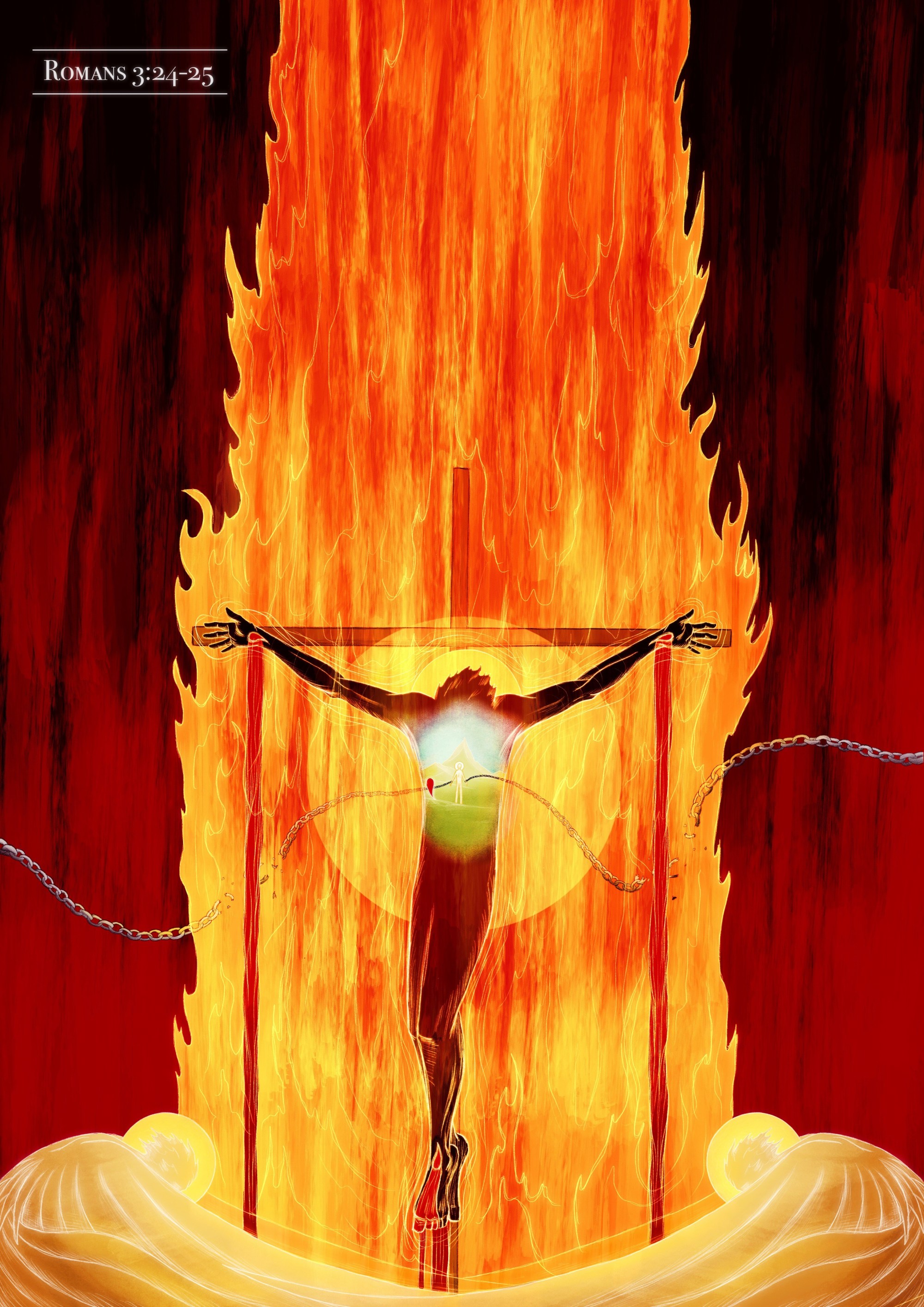
The reason God doesn’t owe us an explanation for His anger and wrath is given in this text. It is probably one of the verses you know by heart Ro. 3:23, “for all have sinned and fall short of the glory of God.” We all believe that, but it doesn’t have the bite that it should. We have a tendency to turn the phrase, “all have sinned,” into a trite and simple, “Nobody’s perfect.” And the phrase, “fall short of the glory of God,” what does that mean? It doesn’t sound so bad. Maybe, if we have fallen short, maybe we got kinda close.

Well, first of all “have fallen short” is a slightly weak translation; the word there means ‘lack.’ We lack the glory of God. But still, what’s the big deal? Are we supposed to have an equal amount of God’s glory? Did Adam and Eve match God’s glory before they fell into sin? Well, God did create us in His image, but even still we are the creature and do not and could match or equal the glory of our Creator.

To lack the glory of God means something different. And we can be thankful that Romans tells us what this means back in Ro. 1:23. There, Paul describes our fall into wickedness and sin, and he makes this statement we, “exchanged the glory of the immortal God for images.” We lack the glory of God because we knew about God’s glory – it had been given to us in nature and creation, it had been given to us in our conscience before we fell into sin – and though we knew it, we traded it away for idols. Our sin is that we would rather find our contentment and joy and fulfillment in the things God has given us than in God Himself. We took what should be our greatest joy and happiness and exchanged it for trinkets and crumbs.

This is a silly analogy, but… Imagine you gave your grown child a new house, a fancy car, and got him an easy, secure, high-paying job in a stable company. But imagine that your child went and traded every last bit of it away for one of those packets of salt that you can get at Culver’s so he could sprinkle it over his scrambled eggs. As egregious and wasteful as that would be, it still pales in comparison to us exchanging the glory of the immortal God for our sinful desires.

God’s wrath and anger against sin are assumed in the Scripture. And God doesn’t need to explain His punishment of our deep and damnable sins. But this text does say that God did need to explain something else. God did find it necessary to show, explain, and manifest His righteousness, but not because of His anger against or His punishment of our sin. Instead, God needed to manifest and show His righteousness because of His mercy.

Romans 3_24-25Remember, I told you that this sermon was going to be an explanation of that sentence in v. 25, “This was to show God’s righteousness, because in His divine forbearance He had passed over former sins.” What is it that showed God’s righteousness in giving us mercy? Nothing but Jesus Christ. Nothing but Jesus shedding His blood and dying on the cross. Nothing but Jesus being our propitiation – the atoning sacrifice, the mercy seat, the place where God forgives us and meets with us sinners.

Jesus’ death in our place, His suffering for our sins, shows God’s righteousness and proves that God is just when He justifies us and declares us innocent through faith in Jesus.

Think back to that analogy of the judge declaring you innocent of robbing the bank. Imagine that, as the judge was being questioned to be impeached, he said, “Yes, all the evidence pointed to guilt. But trust me, I’m going to make it all right. I’m going to repay everyone who lost money in the robbery. I’m going to completely heal and restore the security guard who was shot. I’m going to take away all the fatigue of the police who chased him. I’m going to remove every last fear of all the people who were put in danger. Everything will be put back to right.”

Christian, Jesus has removed your sin and has put everything back in its proper place. C. S. Lewis expresses this in a beautiful analogy in The Lion, the Witch, and the Wardrobe with the character that represents Jesus, Aslan the lion. “Wrong will be right, when Aslan comes in sight. At the sound of his roar, sorrows will be no more. When he bares his teeth, winter meets its death. And when he shakes his mane, we shall have spring again.” Jesus has done all of this and more on the cross, and it will again be manifested when He returns in glory.

Dear saints, God has justly proclaimed and declared that you are righteous and just in His court because of Christ. Because of what Jesus has done, you are justified. This means you are exactly what you ought to be in God’s sight by His verdict of innocence. You are holy, perfect, and just through God-given faith in Christ. When He looks at you, God does not find the tiniest speck of sin in you. He sees you and treats you as completely and wholly worthy. He does this not because you are sinless or without guilt. No, He does this because of the perfect completeness of Christ’s finished work on the cross.

This is all of God’s just mercy. It leaves no room for us to boast. For this, may God alone be praised, now and forever. Amen.

The peace of God, which surpasses all understanding, will guard your hearts and minds in Christ Jesus. Amen.