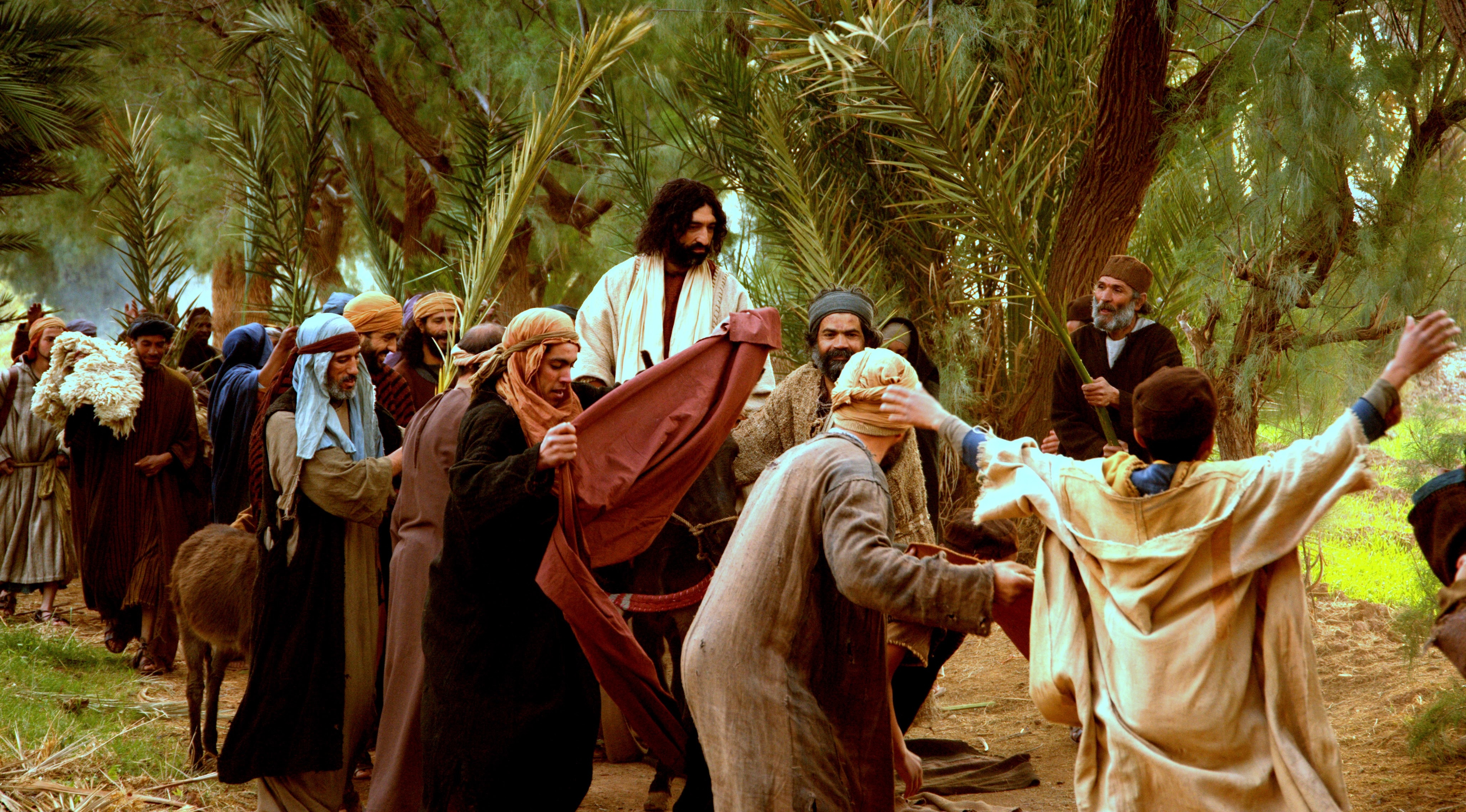
The God of Justice – Sermon on Matthew 26:1-27:66 for Palm Sunday

Matthew 26:1-27:66

In the name of Jesus. Amen.

Good job. I know that is a hard reading, but it’s worth the effort. The accounts of our Lord’s Passion in the four Gospels are some of the most precious words ever written. I’d encourage you this week to read the other three accounts. Read Mark 14-15 one day, Luke 22-23 another day, and John 18-19 another. Reading those will prepare your heart and lips to cry out next Sunday, “He is risen indeed!”

Most of the time, we see the crucifixion of our Lord as an act of terrible injustice. Jesus – the only sinless person – is condemned to die a gruesome death. Even Pilate wrestles with the injustice as the crowds keep crying out for Jesus to be crucified (Mt. 27:15-23). He asks, “Why? What evil has he done?” But Pilate was too weak and timid to do the just thing and release Jesus, so he delivers our Lord to be crucified. There’s no question that, from a human standpoint, Jesus’ condemnation is utterly unjust.

But, in the cosmic view of things, the crucifixion, God is accomplishing the greatest act of justice ever. But this act of justice is going on ‘behind the scenes,’ so to speak. So, let me make the case for that, and you can tell me what you think after the service. We have to take a few steps back to see it clearly.

Six weeks ago, on the first Sunday of Lent, we considered Genesis 3 and the Fall. There, in the Garden of Eden, Satan tempts Adam and Eve to sin and rebel against God like he had. Why does he do that? Well, the devil knows he can’t defeat God and that he can’t be redeemed. So, the devil wants to hurt God, and the only way he can figure out how to hurt God is to come after us and try to sever us from God. So, he tempted our first parents to fall into sin, which they do. But God wasn’t about to let the devil have us. God promises to judge Satan by sending the Seed of the woman to crush his head (Gen. 3:15). In other words, God is saying, “I’m not going to let you have them. I will come and crush you.”

Now, fast-forward to Jesus’ temptation in the wilderness. In the first temptation, the devil says, “If you are the Son of God, command these stones to become bread” (Mt. 4:3Lk. 4:3). The devil says, In a sense, the devil was saying, “You’re God. Why should you go hungry when everyone else in the world is eating? Quit trying to save these people. Let me have them.” Of course, Jesus resists all of the devil’s temptations there in the wilderness. But the Gospel of Luke has an interesting line after those temptations are finished. He says, “And when the devil had ended every temptation, he departed from [Jesus] until an opportune time” (Lk. 4:13). In other words, the devil had more temptations for Jesus.

One of those ‘opportune times’ came after Jesus told the disciples that He would suffer, be killed, and rise again. Peter rebukes Jesus saying, “Far be it from You, Lord! This shall never happen to You.” And Jesus responds to Peter, “Get behind Me, Satan!” (Mt. 16:21-23). The devil was using Peter’s love of Jesus to try to get Him to abandon His mission of going to the cross. But another ‘opportune time’ is even more explicit in our text today as Jesus is on the cross.

Look again at Matthew 27:39-44. The crowds deride Jesus saying, “You who would destroy the temple and rebuild it in three days, save yourself! If you are the Son of God, come down from the cross.” And, “He saved others, he cannot save himself. Let him come down now from the cross, and we will believe in him. He trusts in God; let God deliver him, if He desires him.”

Satan was using those voices, that mocking and deriding. Picture it. There is Jesus. Naked. Beaten. Bloodied. A crown of thorns on His head. His back whipped to shreds. Nails through His hands and feet. He hangs there dying for their sins and suffering the wrath of God that they deserve. And the very people He’s doing all this for are saying these things to Him.

It’s easy to picture the devil whispering in Jesus’ ear, “Do you hear what they’re saying to you? Why are you doing this for them? You don’t have to do this! You said they would die because of their sin. I thought you are a God of justice? Let me have them. That would be fair. They don’t deserve to have you die for them. It would be just for you to abandon them.”

But Jesus resists the temptation. He wants to redeem you. It would not be just for Him to save Himself. Justice is Jesus getting back what belongs to Him. That’s you. The devil is a thief (Jn. 10:10) and a liar (Jn. 8:44), and Jesus will simply not let Satan have you.

In reality, justice is God winning you back from the clutches of sin, death, and the devil. Justice is God having you as His Own. Justice is you living under Him in His kingdom as He intended. That’s justice. And your God is a God of justice. A God of justice. A God of forgiveness. A God of grace and mercy.

This is why we regularly use 1 John 1:9 before our confession of sins. “If we confess our sins, He is faithful and just to forgive us our sins and cleanse us from all unrighteousness.”

Dear saints, your God is merciful and just (Ex. 34:6-7). Your Savior did not come down from the cross because He will not let the devil have you. In His mercy, He gives Himself for you. Christ perfectly obeyed God’s Law for you. Jesus suffers the punishment you deserve. As surely as His mercy is for you and your benefit, His justice is also for you and for your benefit. Psalm 89:14 shows us who God is, “Righteousness and justice are the foundation of Your throne; steadfast love and faithfulness go before You.” That truth is most clearly seen in the cross of Christ.

Dear saints, justice and mercy meet you this Holy Week. Jesus stays on the cross that you may be His Own. He refused to save Himself because He is determined to save you. Let His cross be your comfort and His empty tomb your sure hope, now and forever. Welcome to Holy Week. Amen.

The peace of God, which surpasses all understanding, will guard your hearts and minds in Christ Jesus (Php. 4:7). Amen.
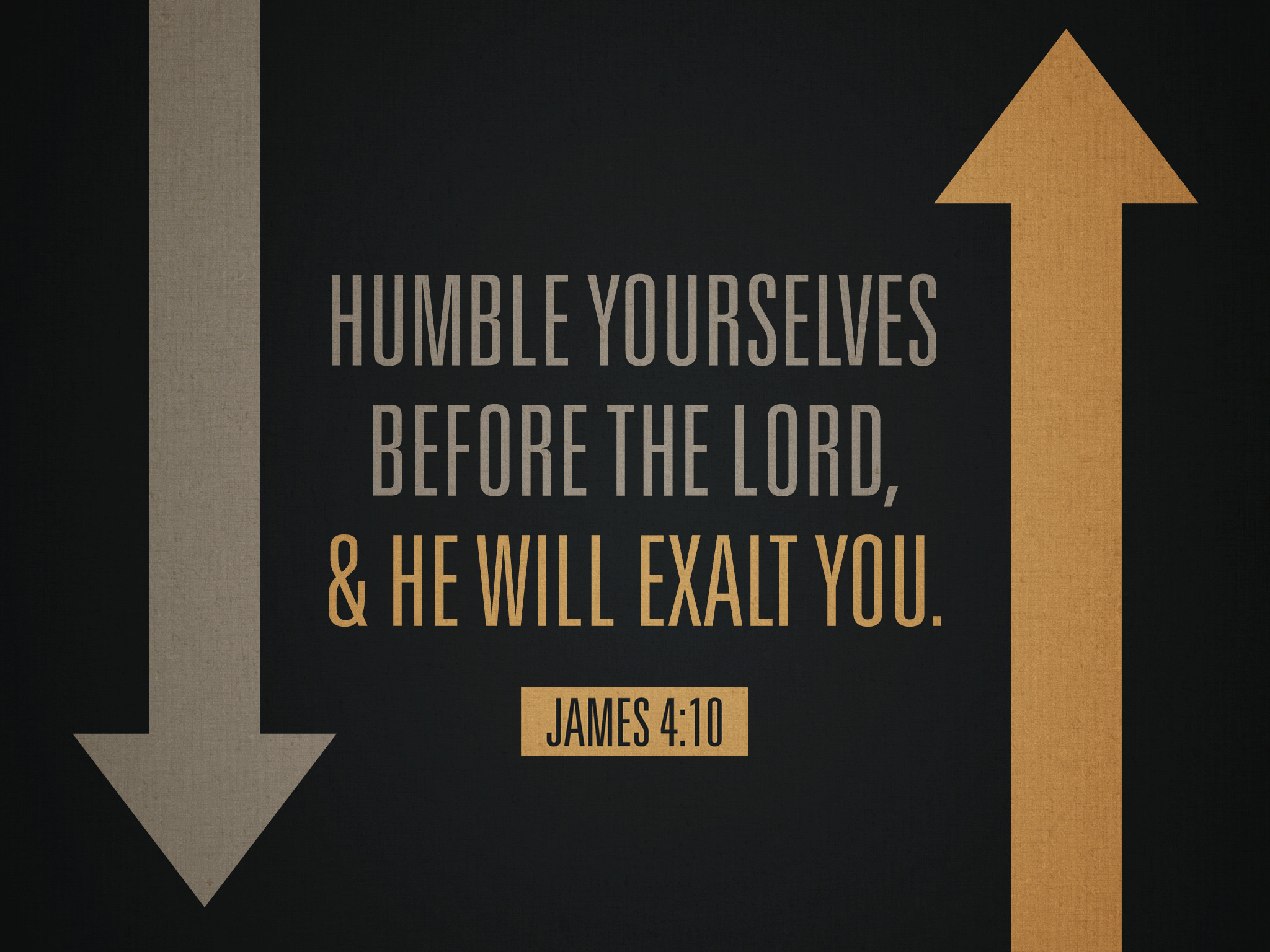
Moved Up – Sermon on Luke 14:1-11 for the Seventeenth Sunday after Trinity

Luke 14:1-11

1 One Sabbath, when he went to dine at the house of a ruler of the Pharisees, they were watching him carefully. 2 And behold, there was a man before him who had dropsy. 3 And Jesus responded to the lawyers and Pharisees, saying, “Is it lawful to heal on the Sabbath, or not?” 4 But they remained silent. Then he took him and healed him and sent him away. 5And he said to them, “Which of you, having a son or an ox that has fallen into a well on a Sabbath day, will not immediately pull him out?” 6 And they could not reply to these things. 

7 Now he told a parable to those who were invited, when he noticed how they chose the places of honor, saying to them, 8 “When you are invited by someone to a wedding feast, do not sit down in a place of honor, lest someone more distinguished than you be invited by him, 9 and he who invited you both will come and say to you, ‘Give your place to this person,’ and then you will begin with shame to take the lowest place. 10 But when you are invited, go and sit in the lowest place, so that when your host comes he may say to you, ‘Friend, move up higher.’ Then you will be honored in the presence of all who sit at table with you. 11 For everyone who exalts himself will be humbled, and he who humbles himself will be exalted.”

In the name of Jesus. Amen.

Everyone is religious. Everyone has a belief in what is good and right and true as opposed to what is evil and wrong and false. And in the end, there aren’t hundreds of religions. There are only two. One is true. The other is false. And we can put a title on each of these religions: the true religion of the Gospel of Jesus Christ, and the false religion of the law.

The true religion of the Gospel is faith in our Lord, Jesus Christ, who is the Way, the Truth, and the Life (Jn. 14:6). This true religion believes that God is merciful. It believes that we are made right with Him because of the cross. It believes God is gracious and forgives us despite our sin against His good and holy Law. The false religion of the law wrongly imagines that we have to reconcile ourselves to God by our own works and efforts. Even though the false, pagan religions of Hinduism, Islam, Buddhism, etc. – those all serve false gods instead of the true God. But they all operate in the same manner and under the same premise. And that premise boils down to this: You need to work yourself out of the messes of this world.

In this Gospel reading, it’s that false religion of the law that Jesus is attacking because that is the religion these Pharisees. They have placed the full weight of their trust in the idea that they can make themselves right with God and the world. But their religion is weaker than a house of cards.

Before we continue, one thing needs to be crystal clear. The Pharisee heresy isn’t exclusive to Pharisees. It’s a heresy that’s in all of us. It’s our default operating system because of our sinful nature. Normally, when we think about our sinful nature, we think of it as the part of us that drives and moves us toward sinful actions. And that is true, our sinful nature certainly does that. But it does more than just that. Our sinful nature also invents our own standards, morals, and commandments that are simpler than God’s standard of total, complete perfection.

This is why the Pharisees invented and added all their extra laws to God’s Commands. For example, the Pharisees took the 3rdCommandment, “Remember the Sabbath day to keep it holy,” and because they believed in their false religion of the law, they figured, “Let’s really get after keeping the Sabbath holy to make God happy with us.” So, they added all sorts of extra rules and regulations. They decided you could only walk 2,000 cubits (or about two-thirds of a mile) on the Sabbath because walking further than that would be considered the work of travel. In a futile effort to please God, Pharisees debated if it was ok to walk in the rain on the Sabbath because if you got rain on your clothes and went inside, that could be considered the work of delivering water. I don’t know anyone who drinks water from rain-soaked clothes. I wonder why they didn’t consider walking in rain on the Sabbath the work of doing laundry.

But they would also come up with all sorts of ways to get around their additional Sabbath laws. So, with the 2,000 cubit limitation on walking, they decided that, if you considered the whole town your home, then you could walk as far as you wanted so long as you stayed in town. They decided that if you walked in the rain on the Sabbath, you could just take off your clothes before you entered your house and leave them outside because then you weren’t delivering water. Can you imagine that? “Honey, I’m home.”

Now, we can laugh at how ridiculous this is because – it is. But we do the same sorts of things. Christ is clear that, when we get angry, it is the same as murder (Mt. 5:21-22). But rather than repent of our anger and receive God’s forgiveness, we do all sorts of mental gymnastics to try to justify our breaking of the 5th Command. But the Pharisee inside each of us also does something even worse. When our conscience still bothers us because of our sin, when it isn’t quieted by our mental justification of that sin, we recruit. We recruit and gather others around us. We tell them about whatever it was that made us angry – usually, in a way to make our anger seem right and just. We do that because we want others to confirm and affirm our sin. But it doesn’t matter if you could get the entire world to agree with you. God doesn’t care about the consensus you build, no matter how large it is. If God says it’s sinful, it’s sinful. Period. End of story.

Now, all of that was to build to this point: Dear saints, God’s view of what is right or wrong, what is good or bad, and what is holy or evil – that’s the only opinion that matters. That is what Jesus is getting at in this text – especially with the parable He tells in v. 8-11.

This parable isn’t like any other parable that Jesus tells. In fact, it is so unique that it won’t appear in most lists of Jesus’ parables that you can find. But Luke clearly calls it a parable in v. 7, so a parable it is. I would guess that the confusion about it being a parable stems from the fact that, at face value, it’s an etiquette lesson of how to be a good guest at a wedding feast. Basically, don’t automatically sit yourself in a place of honor because the host might see someone who is more important than you. Then, the host is going to tell you to sit somewhere else and give the more important person the seat of honor. If that happens, you’ll end up sitting somewhere obscure because all the other good seats are taken. Instead, Jesus says to sit in a low, undesirable place so the host can honor you saying, “Hey, friend. You deserve better. I’m going to move you up here.”

Again, this is just good, wise advice. But this advice is also a parable because there is a deeper theological truth here. Discovering that truth hinges on one thing. In this “etiquette parable” whose opinion matters? The host’s. Only the host’s. It doesn’t matter if everyone else at the wedding feast thought you were the most important person there. If the host tells you another guest gets the seat of honor, it’s his feast. So, the other guy gets it.

Here’s the point. Don’t move yourself up. Instead, be moved up by God. In that parable, the host is God Himself. His opinion of you and your honor – that’s the only thing that matters. So, there are times where you have to tell the little Pharisee inside of you to shut up and stop trying to clamor for honor and recognition and accolades. The opinions of others (and even your own opinions), they don’t matter (1 Co. 4:3-5). And Jesus, the Son of God, clearly tells you what He finds honorable and shameful in the last verse of this reading. “Everyone who exalts himself will be humbled, and he who humbles himself will be exalted” (Lk. 14:11).

If you are trying to exalt yourself and be impressive by your self-chosen good works, it isn’t going to go well for you. God is going to come into the banquet hall and say to you, “No. You don’t get to sit here.” And where will that leave you? Ultimately, it’ll leave you outside and in the darkness (Mt. 22:13). Instead, sit in the lowest seat, and don’t worry if others ask, “What are you doing there? Why are you putting up with that lowly, humiliating spot?” Don’t worry about being in positions that others think are shameful. God the Host is going to come Himself and say, “Friend, why are sitting way down here? Move up higher.”

One of the things Jesus is doing with this parable is He’s giving you God’s perspective on your simple, normal, everyday callings and vocations and works. Don’t ever forget that God is the One who has put you in those vocations and given you those works. Even if they don’t look flashy or impressive to the world, they are exactly the places where God has put you and given you holy work to do. If you stop and think about it, what higher seat is there than the seat God gives you?

To understand this better, imagine two people. The first is a devout monk who has abandoned the world to live a life of holiness. He takes a vow to get up every night at 2 AM and pray for three hours. Every night, this monk deprives himself of sleep; goes into a chapel to burn incense; lies face-down on a stone floor; and earnestly prays. The second person is a mom. At 2 AM, she gets woken up by the cries of her newborn because he’s sick with a stuffed, runny nose and has a full, stinky diaper. Exhausted, she stumbles around the room. She gets her hands into the snot and poop. She cleans and comforts and feeds the child. And she spends hours to finally rock him back to sleep.

Both of them are getting up at 2 AM. Both are doing work instead of sleeping. But which one is more holy, exalted, and honorable – the monk who chose to take that vow? Or the mom who received her child from God Himself? Of course it’s the mom.

Think of Paul in today’s Epistle reading (Eph. 4:1-6). In v. 1, he wrote, “I therefore, a prisoner…” I mean how low can you get? Paul is there in prison – rats running across his feet, muck oozing down the walls, mold in the air. And Paul writes, “I a prisoner for the Lord, urge you to walk in a manner worthy of the calling to which you have been called.” Paul recognized that, even in prison, he’s the Lord’s prisoner. It wasn’t Caesar or a king or a governor. God put him there. And if God, his loving heavenly Father, put him there, what better or more honorable place could there be?

Dear saints, the religion of the Gospel is the only thing that moves you up. You don’t need all the Pharisaical nonsense that vainly tries to get God to clap for you and give you accolades. One, it’s not going to work. And two, God has already given you important, holy works to do. Those works are pleasing to Him; those works show your love for Him by showing love for your neighbor. 

So, walk in a manner worthy of the calling to which you have been called. And you’ve been called God’s friend. God’s saints. God’s holy ones. God’s children. The work God gives you is worthy and holy. So, do that work with all your might.

Dear saints, you have the true religion which is faith that God is the One who moves you up. Not yourself. Not ever yourself. You are moved up, exalted, and honored by the holy and righteous God who calls you, “Friend.” And He calls you, “Friend,” solely because of what Christ has done on the cross for you. Amen.

The peace of God, which surpasses all understanding, will guard your hearts and minds in Christ Jesus (Php. 4:7). Amen.