Father, into Your Hands I Commit My Spirit – Sermon on Luke 23:46 & Psalm 31:5 for Good Friday

In the name of Jesus. Amen.

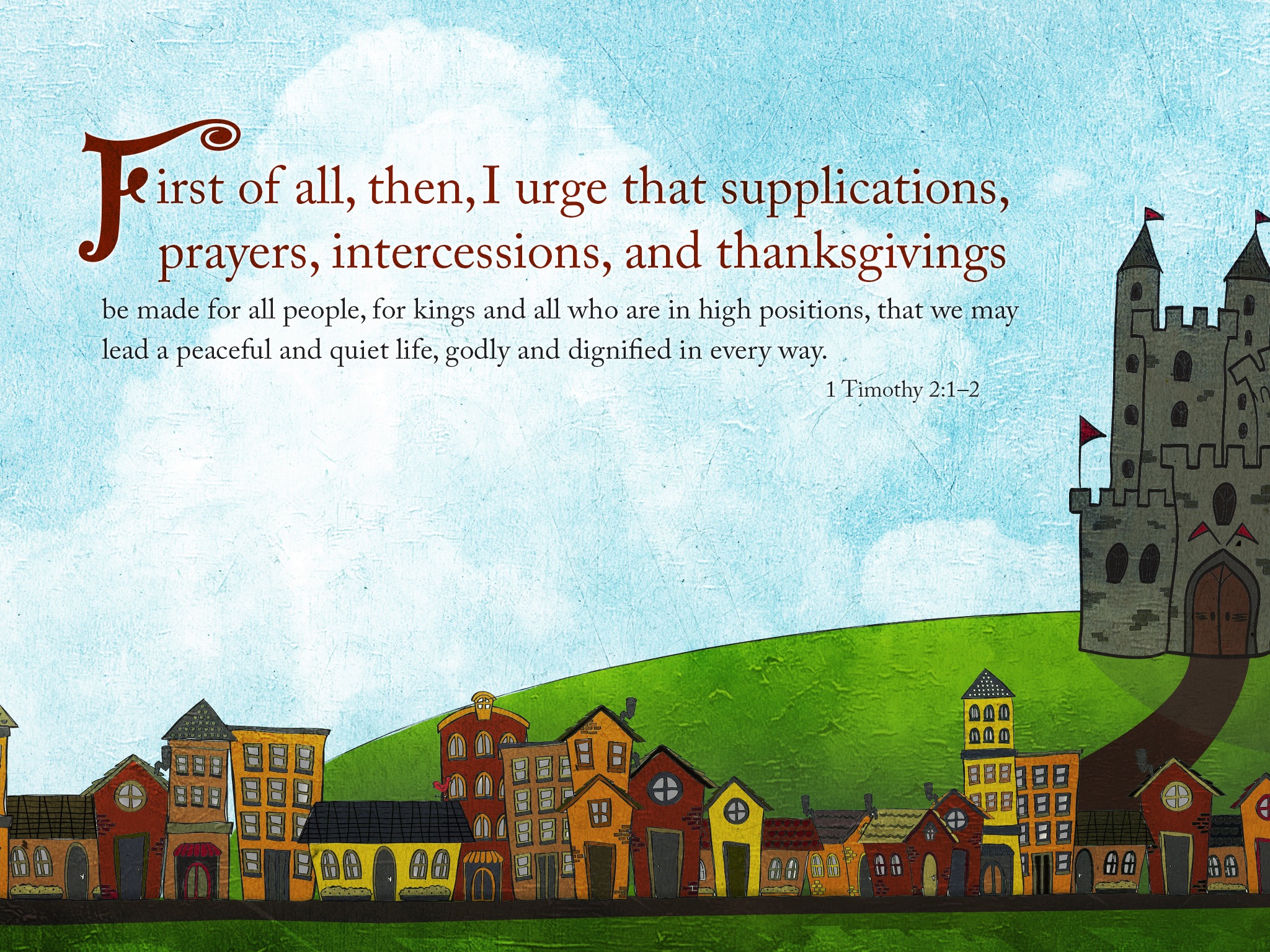
“Then Jesus, calling out with a loud voice, said, ’Father, into Your hands I commit My Spirit.’ And having said this [Jesus] breathed His last” (Lk. 23:46).

Hebrews 10:31 tells us, “It is a fearful thing to fall into the hands of the living God.” The majority of times that the Bible talks about God stretching out His hand, it means destruction. This is why death is a fearful thing for us. The wages of sin is death (Ro. 6:23). It is appointed for a man to die once, and after that comes judgment (Heb. 9:27). Deep down, everyone knows this (Ro. 1:18-21).

Even the most hardcore atheist who wrongly thinks we are nothing more than a glob of atoms who randomly evolved knows that death is something to be avoided. Over the past few years, we have watched the absurd and, even, the evil things people will do in an attempt to avoid death. But unless Jesus returns first, we will all die (1 Thess. 4:17). And Satan uses the fact that sinners die to his advantage. Hebrews 2:14-15 says that the devil is able to hold all of humanity in bondage and slavery using only one tool, the fear of death. People try to stay alive at all costs and put even the thought of death as far away as possible. Death reminds us that we are not in control and are not in charge.

So, we have to learn from Jesus how to die. Jesus does not go into death as though He is falling into the hands of an enemy, but safely into the hands of His Father. These words of Jesus, “Father, into Your hands I commit My Spirit,” are a quote from Psalm 31:5, and by quoting it, Jesus wants us to consider the entire Psalm. Just like when you hear a line from a song or a movie and, so long as you are familiar with it, the whole song or scene comes to mind, this one line Psalm 31 would have brought the whole Psalm to the minds of those who were there at the cross.

I would encourage you to read all of Psalm 31 tonight with your family and have the crucifixion in mind. For now, hear the first five verses:

1 In You, O Lord, do I take refuge; 
let me never be put to shame; 
in Your righteousness deliver me! 
2 Incline Your ear to me; 
rescue me speedily! 
Be a rock of refuge for me, 
a strong fortress to save me! 
3 For You are my rock and my fortress; 
and for Your name’s sake You lead me and guide me; 
4 You take me out of the net they have hidden for me, 
for You are my refuge. 
5 Into Your hand I commit my spirit; 
You have redeemed me, O Lord, faithful God. 

Psalm 31:1-5 ESV

With His dying breath, Jesus commits Himself into the hands of the Father, and Christ can do this because He knows God is not angry with Him. And you, when you come to the end of your life, when you are breathing your last, you need to know this as well.

God is not angry with you. His anger over your sin has been satisfied. He has redeemed you through Jesus’ death. He has purchased and won you. Christ has paid the price for your sins. Unless you stubbornly hold on to your sins and refuse to believe that Christ has taken your place, there is no wrath, no judgment from God for you. You, Christian, you are a child of God, a child of the heavenly Father because Jesus has paid the price for your sins. You are no longer a sinner, but a one who has been redeemed and purchased by Jesus, the only-begotten Son of God.

By His blood, Jesus has washed away all your sin. You stand before God in the robe of Christ’s righteousness (Is. 61:10). For you, Christian, it is no longer a fearful thing to fall into the hands of a living God because God’s hands were nailed to the cross for you. Those are the hands that you commit yourself to.

There is therefore now no condemnation for you who are in Christ Jesus (Ro. 8:1) because your condemnation is in the past. It has already happened as Jesus died on the cross for you.

Jesus died after praying Psalm 31:5a, “Into your hands I commit my spirit.” And it is important to notice that Jesus only prays the first line because He could not pray the second line, “You have redeemed me, O Lord, faithful God.” Jesus couldn’t pray the second line because He was not redeemed; instead, He was redeeming. He was redeeming you. He was there on the cross paying the price; winning your salvation; forgiving your sins; overcoming sin, death, and the grave. He was doing all of that so you can pray all of Psalm 31:5. The entire thing. Because of what your Lord and Savior has done, you can rightly pray, “Father, into Your hands I commit my spirit; You have redeemed me, O Lord, faithful God.”

You belong to Jesus. He is your Brother and God is your Father. At the end of every day, take up these words, “Almighty God, my heavenly Father, like Jesus did before me, into Your hands I commit my spirit, for You have redeemed me, O Lord, faithful God.” And as you pray that, know that Jesus, who committed Himself into the hands of God the Father, has gone and prepared a place for you so that where Jesus is, you may be also (Jn. 14:3). Amen.[1]The peace of God, which surpasses all understanding, will guard your hearts and minds in Christ Jesus. Amen.
[1] This sermon was adapted from a sermon by Pr. Bryan Wolfmueller.

Authority & Service – Sermon on John 13:1-15, 34-35 for Maundy Thursday

John 13:1–15, 34-35

1 Now before the Feast of the Passover, when Jesus knew that his hour had come to depart out of this world to the Father, having loved his own who were in the world, he loved them to the end. 2 During supper, when the devil had already put it into the heart of Judas Iscariot, Simon’s son, to betray him, 3 Jesus, knowing that the Father had given all things into his hands, and that he had come from God and was going back to God, 4 rose from supper. He laid aside his outer garments, and taking a towel, tied it around his waist. 5 Then he poured water into a basin and began to wash the disciples’ feet and to wipe them with the towel that was wrapped around him. 6 He came to Simon Peter, who said to him, “Lord, do you wash my feet?” 7 Jesus answered him, “What I am doing you do not understand now, but afterward you will understand.”8 Peter said to him, “You shall never wash my feet.” Jesus answered him, “If I do not wash you, you have no share with me.” 9 Simon Peter said to him, “Lord, not my feet only but also my hands and my head!” 10 Jesus said to him, “The one who has bathed does not need to wash, except for his feet, but is completely clean. And you are clean, but not every one of you.” 11 For he knew who was to betray him; that was why he said, “Not all of you are clean.”

12 When he had washed their feet and put on his outer garments and resumed his place, he said to them, “Do you understand what I have done to you? 13 You call me Teacher and Lord, and you are right, for so I am. 14 If I then, your Lord and Teacher, have washed your feet, you also ought to wash one another’s feet. 15 For I have given you an example, that you also should do just as I have done to you.

34 A new commandment I give to you, that you love one another: just as I have loved you, you also are to love one another. 35 By this all people will know that you are my disciples, if you have love for one another.”

In the name of Jesus. Amen.[1]

On Sunday, we heard the account of Jesus’ Passion from Mt. 26-27. With all the horrible things that happen to Jesus – the betrayal, the denial, the arrest, trial, beating, mocking, and crucifixion – it is hard to read and listen to. Again, don’t forget that Jesus endured all of that for you because He wanted to. For that joy that was set before Him, Jesus endured the cross, despising the shame (Heb. 12:2). But even knowing that Jesus did it all for the joy of purchasing you, it can seem like everything and everyone in creation conspired against Jesus and that He was a helpless victim. But that is not the case. Jesus was in complete control of everything that happened.

When you consider everything that happens after Jesus entered Jerusalem on Palm Sunday, you can see that He is the one running the show.

Palm Sunday and the following Monday and Tuesday, the Gospels record how Jesus would enter Jerusalem to preach and teach in the Temple. On Tuesday, Judas conspired with the chief priests and put the thirty pieces of silver in his pocket (Mt. 26:14-16). None of the Gospels record Jesus entering Jerusalem on Wednesday of Holy Week. The reason for this was Jesus knew Judas was seeking to betray Him (Jn. 6:70-71). Going into Jerusalem would have given Judas an opportunity to get Jesus arrested too soon. This is also why it appeared as though Jesus didn’t to have a plan on where He and the disciples would celebrate the Passover. But that isn’t the case. His plan was to keep the plan secret. Jesus carefully and deliberately orchestrated everything so that Judas can’t betray Jesus until Jesus is ready.

On Thursday, Jesus sent only Peter and John to find a certain man and follow him to a house, and the owner of that house would show them the upper room where they would prepare the Passover meal (Lk. 22:7-13). So, when Jesus and the twelve disciples get to the upper room, only Jesus, Peter, and John knew where they would be that night. Judas doesn’t betray Jesus until Jesus dismisses him to do it which happens in some of the verses we didn’t read tonight (Jn. 13:21-30). Again, Jesus is in complete control. Even though the events of the Passion seem to be chaotic, Jesus is exercising His authority. 

But look at how Jesus uses that authority. He uses it to serve the disciples by washing their feet. This washing was, in a sense, a parable acted out. By serving His disciples in this way, Jesus is showing how He wants them and us to serve and love one another.

Having someone was your feet was common in Jesus’ day. Anyone who was going to be a guest at a banquet would have their feet washed even if they had just bathed. The walk from one house to another would make a person’s feet dirty enough to need another washing. But the task of foot washing was always reserved for the lowest servants. It was normal for a disciple to do many different chores for the rabbi he was following, but foot washing was never one of them. But here, in a beautiful reversal, Jesus – the Rabbi, the Teacher sent from God, and, in fact, God in the flesh with all authority – humbles Himself to serve His disciples by doing the lowest task for them. This foot washing was an act of vulnerability and intimacy.

When Jesus washes their feet, Judas had not yet left to betray Jesus. Judas was still there. Our Lord washed Judas’ feet and served His betrayer in this way. Judas does not benefit from this, but Jesus still does it for him.

With this foot washing, Jesus gives us an example that teaches us a very important lesson: Love isn’t always easy or clean. Love can often be one-sided and unanswered. Just because you love someone and do selfless acts for them does not mean they will love you in return. Remember, you aren’t greater than Jesus. If His love was rejected and repaid with betrayal, yours will be too.

Yet, still Jesus would have you, His disciples, His Christians, love your enemies just as you have been loved by Him. Bear one another’s burdens. Forgive and serve one another. That is this new commandment, this new mandate, that Jesus gives.

But because you do and will fail in this mandate that Jesus gives, Maundy Thursday is more than Jesus giving a new commandment. It is the night that Jesus also mandates and gives you a meal. Tonight is the night in which Jesus was betrayed, and Judas isn’t the only culprit. Even the disciples who love Jesus fail Him, but He does not fail them. That is why Jesus gives the disciples more than a mandate. He also leaves them the enduring, continual gift and meal of His living Body and Blood.

The two Sacraments Jesus has given us are both precious and give salvation and forgiveness, but they are different. Baptism defines who we are as Christians. In Baptism, we are given God’s name (Mt. 28:19), we are begotten as His children (Jn. 3:3-8), and we are clothed in Christ (Gal 3:27). Baptism defines who we are.

And the Lord’s Supper is what we, the Baptized, do because it is what Jesus has given us to do. We are to eat and drink in remembrance of Jesus (1 Cor. 11:23-25) and whenever we celebrate the Lord’s Supper, according to Scripture, we proclaim His death until He comes (1 Cor. 11:26). In the Lord’s Supper, Jesus promises that we receive the forgiveness of sins. And most Christian thing you can do is receive Christ’s forgiveness.

When Jesus calls us to eat and drink in remembrance of Him, He doesn’t mean, “Do this while you think fondly about Me and what I did for you a long time ago.” Instead, this remembrance is about faith. Faith recalls and clings to what Jesus did and still does with this Bread and Cup. According to what Jesus says, this Bread is His Body which was broken upon the cross for you, and this Cup is His Blood which was shed for you. In faith, we celebrate the Lord’s Supper believing that all of this pertains to us and to our salvation.

Jesus’ death happened nearly 2,000 years ago on a cross outside Jerusalem, but the fruits of His redeeming death are given both before and after. Jesus gives His disciples His Body and Blood even before He makes the sacrifice. And He continues to give the same gifts in every congregation where two or three are gathered. His gift is not bound by time or place.

Both the mandate to love one another and the meal of the Lord’s Supper go together. They are faith and love in action. With the sacrifice of His Body and Blood, Jesus loved the disciples. And when He washed their feet, Christ showed them how to love each other as they place their trust in Him.

So, dear saints, follow Christ’s example and do as He has done to and for you (Jn. 13:15). Your Savior, who has all authority, came to serve you.

And know that when you come to this altar, to this table, you come as royal children of Christ the King and are serving the world. The world benefits from you receiving what Jesus gives in Holy Communion. This Sacrament drives back the forces of darkness because in this meal, Jesus’ death in the place of sinners is proclaimed (1 Cor. 11:26). Jesus puts His Body and Blood into you to crucify you to the world and the world to you (Gal. 6:14). As you receive this meal and do this in remembrance of Him, you celebrate His victory over sin, death, and the devil. Of course, you benefit from this, but so does your neighbor. As you are fed and strengthened in your faith, you will go back into the world knowing that God has forgiven you for the sake of Christ.

And when you fail to be the servant Jesus calls you to be, when you fail to love as you have been loved, run back to Jesus. He is always ready to give you another washing and another serving.

Dear saint, you are declared by Jesus to be clean. Your Lord and Savior is here to be your Servant and cleanse you again. Come and receive what He gives you for your cleaning, for your comfort, for your strengthening. Amen.The peace of God, which surpasses all understanding, will guard your hearts and minds in Christ Jesus. Amen.


[1] Reworked from 2021.

Innocent Blood – Sermon on Matthew 26:1-27:66 for Palm Sunday

Matthew 26:1-27:66

In the name of Jesus. Amen.

Matthew is the only one of the four Gospels that tells us what happened to Judas after Jesus was arrested and condemned (Mt. 27:3-10). Judas was overcome with regret and guilt because he knew that God had cursed anyone for taking a bribe to shed innocent blood (Dt. 27:25). Our translation says that Judas “changed his mind” (Mt. 27:3). In Greek, it’s one word (μεταμέλομαι) that is similar to the word for repentance (μετανοέω), but the change of mind Judas had was only one-sided. And here’s what the text conveys: Judas was very sorry. He wished that what he had done could be undone. He regretted his betrayal, but Judas did not repent the way Christians repent. Christian repentance has two parts. It includes the regret and change of mind Judas had. But saving repentance goes one step further. Christian repentance also trusts and believes in God’s grace and mercy given on account of Jesus’ death and resurrection (Mk. 1:15). Judas was lacking that faith and trust.

That lack of faith in God’s mercy is why Judas goes to the chief priests and elders. He doesn’t know where else to turn even though he had been taught better. Sadly, Judas brings his confession to the wrong place. Judas went to the Temple which had been the place of forgiveness (1 Kgs. 8:30), but the night before, Jesus had clearly told Judas and the rest of the disciples that He was instituting the New Covenant (Jer. 31:33-34) in His Blood for the forgiveness of sin (Mt. 26:26-29). The result was that Judas went to the very ones who had been seeking Jesus’ death (Mt. 26:14-15). Judas knew where he needed to go for forgiveness – he had been told just a few hours earlier. But instead of going to Jesus, he sought forgiveness where it could not be found.

Judas’ confession of sin and his action of returning the thirty pieces of silver were both right. He had betrayed innocent blood and returning the payment he received for his sin was what he should do. But his sorrow and penance could not undo what he had done; it could not remove the guilt of his sin. The chief priests and elders were supposed to be forgivers, absolvers, and ministers of atonement. Yet, after hearing Judas’ confession, they refuse to lift the burden of guilt from him. Instead, they bind Judas’ sin and betrayal on his head. “What is that to us? See to it yourself” (Mt. 27:4). What a chilling, horrific thing to say to someone who is crushed with guilt.

Throughout the Gospels, those religious leaders had tried to convict Jesus of sin. They would accuse Jesus and the disciples of eating with defiled hands (Mt. 15:1-20) and of eating and associating with tax collectors and sinners (Lk. 15:1-2). They were always trying to trap Jesus (Mt. 22:15-40). You would think that they would at least tell Judas something like, “Don’t worry, Jesus isn’t innocent. He’s a sinner. He’s dangerous. He’ll bring trouble to all of us with his teaching.” But they don’t. They don’t try to convince Judas that Jesus was guilty. They don’t even offer that little shred of comfort to Judas. It appears as though they also know that Jesus was innocent. Back in Mt. 23:2-4, Jesus rightly said of them, “They tie up heavy burdens, hard to bear, and lay them on people’s shoulders, but they themselves are not willing to move them with their finger.”

If the chief priests and elders had offered Judas forgiveness, it would have required them to admit their own guilt. Again, they were the ones who conspired with Judas to shed Jesus’ innocent blood. But instead of repenting, they insisted they were doing the right thing in condemning Jesus. So, they become absurdly hypocritical.

After Judas throws the pieces of silver in the Temple, they quickly work to get that money out of the Temple because it is blood money. They recognize they cannot put the bounty they had placed on Jesus’ head back in the holy treasury because it is unclean money (Dt. 23:18). But (here’s the hypocrisy) they were the ones who defiled that holy money. They were the ones who took it from the treasury. They were the ones who turned that silver into blood money using it to pay Judas for his betrayal (Mt. 26:15).

While it is tempting to despise the chief priests and Judas, in Christian humility we need to recognize that we do just as they did. Too often, we are filled with sinful desires and passions and make any excuse to attempt to justify them. Too often, we will do all sorts of horrific things and try to hide them under the guise of holiness while we ignore the carnage it wreaks on others. Too often, we are like Judas and don’t realize how destructive our behavior is until it’s too late. When we do, finally, realize the great harm we have done, it can lead us to despair. And despair is a dangerous place to walk. Judas despairs of all hope and kills himself. Judas is condemned, not because he kills himself, and not even because he betrayed Jesus. Jesus’ death covered even Judas’ sins of suicide and betrayal. Judas is condemned because he died outside of faith in Jesus’ grace and mercy. Jesus calls Judas the “son of destruction” (Jn. 17:12) and says that it would have been better for Judas if he had never been born (Mt. 26:24). Jesus never says anything like that about His sheep.

Please allow me a brief aside here: Suicide, self-murder, is not the unforgivable sin. Can people commit suicide and still be a Christian? Yes. To those of you who have lost someone to suicide, you can have comfort in the promises of Scripture. Christ Himself is the man of sorrows, acquainted with grief (Is. 53:3). When someone is walking in grief, depression, and even in the valley of the shadow of death, Jesus is with them (Ps. 23:4) and desires to save them (1 Tim. 2:4). In that deathly vale, Jesus calls to them, “Come to Me, all who labor and are heavy laden, and I will give you rest” (Mt. 11:28). All that being said, suicide is an evil death and is never the answer to despair.

The answer to all sin and despair is in the innocent Blood of Jesus which has been shed for you. His innocent Blood was shed to cleanse you of your guilty blood. Whenever you recognize your guilt and sin against God, bring those sins to Christ. Let Him deal with them because He has dealt with them in His death and resurrection. He is the Lamb of God who takes away the sin of the world (Jn. 1:29). 

The answer to sin is the innocent Blood of Jesus that He freely gives to you in Holy Communion. And now, Jesus invites you to His table to receive that Blood which He will put in your mouth. Here, Jesus’ innocent Blood becomes your blood. Dear saints, come, take, eat, and drink the perfect, innocent Blood of your Savior which He has shed for the forgiveness of all your sins. Amen.

The peace of God, which surpasses all understanding, will guard your hearts and minds in Christ Jesus. Amen.

Who, Then, Receives This Sacrament Worthily? – Sermon for Midweek Lent 5

IV. Who, Then, Receives This Sacrament Worthily?

Fasting and bodily preparation are indeed a good outward discipline, but that person is truly worthy and well prepared who believes these words: “Given and shed for you for the forgiveness of sins.” But anyone who does not believe these words or who doubts them is unworthy and unprepared, for the words “for you” require truly believing hearts.

Luther’s Small Catechism

In the name of Jesus. Amen.

It’s a gift. The Lord’s Supper is a gift. The Body of Christ broken for you is a gift. The Blood of Christ shed for the forgiveness of your sins is a gift. Everything about the Lord’s Supper is a gift. When we consider our worthiness or unworthiness of receiving the Holy Communion, we must start with the understanding that it is a gift.

Jesus doesn’t give us Himself in the Sacrament because we have earned or deserved Him. Birthday and Christmas presents aren’t earned. If something is earned, it is no longer a gift. When you give a gift, you give out of love. Jesus is not Santa Claus who makes his list and checks it twice to see who has been naughty or nice and give based on that. And remember what the gift gives – the forgiveness of sins. If you imagine, somehow, that you don’t have any sins that need forgiving, then you don’t need or have any desire for the gift. Only the sick need a doctor, and only sinners need the Sacrament.

In our epistle reading tonight (1 Cor. 11:27-34), Paul does give a warning about Holy Communion. You can receive the gift Jesus gives in an unworthy manner, and there are serious consequences of receiving the Lord’s Supper in an unworthy manner. But before we get to that, let’s first consider what it is to be worthy of receiving the Sacrament. The two ‘qualifications’ – or, maybe better, ‘qualities’ or ‘attributes’ – of being a worthy recipient of the Lord’s Supper are found in v. 28-29 and v. 31.

To be worthy of Communion, a person is to ‘examine’ and ‘judge’ himself ‘truly’ (1 Cor. 11:28, 31). Here’s what that means: When you consider who you are in light of God’s Commandments, you find nothing but sin and failure. You find that you have not done what God demands and that you have done what God forbids. When you examine your thoughts, words, and deeds, you see clearly that you are not worthy to be in God’s presence let alone have a seat at His Table. God be praised that the recognition of your sin and unworthiness is precisely what makes you worthy to receive what Jesus gives in Holy Communion because what He gives is His very Body and Blood for the forgiveness of sins.

The other ‘quality’ of receiving the Lord’s Supper worthily comes in 1 Cor. 11:29 and is to “discern the Body.” In other words, it is to recognize that Jesus is truly present in His Supper as He gives you the New Covenant of His Blood in the elements of Communion.

When you know and recognize those two things, God invites you and desires that you, “eat of the Bread and Drink of the Cup” (1 Cor. 11:28).

If someone does not recognize that they are a sinner who needs forgiveness or does not believe that Jesus gives His Body and Blood in the Sacrament, that person eats and drinks the Sacrament in an unworthy manner, and that does have consequences.

The first consequence Scripture mentions is to be guilty concerning the Body and Blood of the Lord. In other words, an unworthy reception of the Lord’s Supper puts that person alongside the soldiers, Pilate, Judas, and the Jewish leaders as being guilty of Jesus’ wounds and crucifixion.

A person can be guilty of the Body and Blood of Jesus in various ways. Judas was guilty because he betrayed Jesus (Mt. 27:3-4). The priests and Pharisees were guilty because they falsely accused Jesus (Mt. 26:59). The soldiers were guilty because they beat, whipped, and spat upon Jesus (Mt. 27:27-31). Pilate was guilty because he condemned Jesus (Mt. 27:24-26). All of them were individually guilty of the bodily harm done to Jesus in different ways, but the guilt remains the same. Here, Paul says that to receive Communion in an unworthy manner is just as great a crime as those who carried out the betrayal, beating, and crucifixion of our Lord (1 Cor. 11:27).

The consequence of this guilt concerning Christ’s Body and Blood brings God’s judgment. Paul says that the reason some of the Corinthian Christians are weak, sick, and have died is that they were receiving Communion in an unworthy manner. Paul isn’t speaking figuratively here; this is serious stuff.

Now, I want to be clear, the judgment Paul talks about here does not mean that the Christians who receive the Lord’s Supper in an unworthy manner are condemned. The text is clear. The judgment from the Lord that they receive is used by God to discipline them so that they are not condemned with the world (1 Cor. 11:29, 32). But that discipline and judgment is real, and because that discipline is real, this should guide what we do.

As your pastor who loves and cares for you and your well-being as well as the well-being of other Christians, I need to say this: When you are traveling or visiting a church with family or friends, there are times and instances where you should not take Communion. If you are at a church that says the Lord’s Supper is only symbolic, or, if you are at a Roman Catholic church that teaches that receiving the Lord’s Supper is earning some sort of spiritual merit, do not commune there. I say that because, by receiving the Sacrament there, you are encouraging your Christian brothers and sisters in their wrong belief and unworthy reception of the Lord’s Supper. And by not taking Communion there, God may open a door for you to teach them about the great blessing that Jesus gives in His Supper. Pray that that would be the case.

Yes, Scripture gives us warnings about receiving the Sacrament in an unworthy manner, but it is done in a way to encourage us to receive it regularly and rightly. Listen carefully to what comes after the warning of receiving in an unworthy manner and being guilty concerning the Body and Blood of our Lord, “Let a person examine himself, then, and so eat of the Bread and drink of the Cup” (1 Cor. 11:28). In the Large Catechism, Luther picks up on this and rightly says this is warning, but it is an encouragement to receive the gift of the Lord’s Supper which Jesus gives to us as often as we eat and drink.

Luther says, “If… you are heavy-laden and feel your weakness, then go joyfully to this Sacrament and receive refreshment, comfort, and strength.” But what if you don’t feel your weakness? Luther suggests that you put your hand to your chest and to check if you still have flesh and blood because Ro. 7:18 says, “I know that nothing good dwells in me, that is, in my flesh.” Then, look around and see if you are still in the world. If you are in the world, believe what the Bible teaches about it – that it is full of danger and difficulties (Jn. 15:18-21, 16:33). Finally, remember that the devil is prowling around like a roaring lion seeking to devour us (1 Pet. 5:8) and has all sorts of flaming darts pointed at us (Eph. 6:16). Your sinfulness, the danger of living in a sinful world, and the promise of Jesus are all constant reminders of how greatly you need the gift Jesus gives in the Sacrament.

I want to close this series on the Lord’s Supper with one final thought about receiving God’s gifts. When it comes to earthly things, desire and satisfaction are opposites. If you are hungry, it is because you don’t have food. Once you have eat and are full, you no longer desire food.

Spiritual things work differently, and I think we have all seen or experienced this. When you have God’s Word, you want more of it, and, sadly, the opposite is also true. The less you have God’s Word, the less you desire it. When it comes to the gifts Gospel, the more we receive them, the more we long for them. When we taste and see that the Lord is good (Ps. 34:8), our hunger for His goodness and mercy grows.

May our love and desire for God’s Word continue to grow as we receive more and more of the free gift of His grace and mercy which He freely gives through His Word and Sacraments. Amen.The peace of God, which surpasses all understanding, will guard your hearts and minds in Christ Jesus. Amen.

See No Death, Taste No Death – Sermon on John 8:42-59 for the Fifth Sunday of Lent

John 8:42–59

42 Jesus said to them, “If God were your Father, you would love me, for I came from God and I am here. I came not of my own accord, but he sent me. 43 Why do you not understand what I say? It is because you cannot bear to hear my word. 44You are of your father the devil, and your will is to do your father’s desires. He was a murderer from the beginning, and does not stand in the truth, because there is no truth in him. When he lies, he speaks out of his own character, for he is a liar and the father of lies. 45 But because I tell the truth, you do not believe me. 46 Which one of you convicts me of sin? If I tell the truth, why do you not believe me? 47 Whoever is of God hears the words of God. The reason why you do not hear them is that you are not of God.”

48 The Jews answered him, “Are we not right in saying that you are a Samaritan and have a demon?” 49 Jesus answered, “I do not have a demon, but I honor my Father, and you dishonor me. 50 Yet I do not seek my own glory; there is One who seeks it, and he is the judge. 51 Truly, truly, I say to you, if anyone keeps my word, he will never see death.”52 The Jews said to him, “Now we know that you have a demon! Abraham died, as did the prophets, yet you say, ‘If anyone keeps my word, he will never taste death.’ 53 Are you greater than our father Abraham, who died? And the prophets died! Who do you make yourself out to be?” 54 Jesus answered, “If I glorify myself, my glory is nothing. It is my Father who glorifies me, of whom you say, ‘He is our God.’ 55 But you have not known him. I know him. If I were to say that I do not know him, I would be a liar like you, but I do know him and I keep his word. 56 Your father Abraham rejoiced that he would see my day. He saw it and was glad.” 57 So the Jews said to him, “You are not yet fifty years old, and have you seen Abraham?” 58 Jesus said to them, “Truly, truly, I say to you, before Abraham was, I am.” 59 So they picked up stones to throw at him, but Jesus hid himself and went out of the temple.

In the name of Jesus. Amen.

Today we hear Jesus give one of the clearest, most comforting promises He ever spoke. “Truly, truly I say to you, if anyone keeps My Word, he will never see death.” As comforting as this already is, it is even more comforting when we consider the context of when Jesus says this. Jesus is having an argument with some of the Jews in the Temple (Jn. 8:20, 24), and this argument is heated.

Earlier, in part of the argument that isn’t in our text, Jesus told them, “You will die in your sin.” He calls them slaves to sin (Jn. 8:31-34). In this reading, you heard Jesus call these hostile people children of the devil (Jn. 8:44) who do not listen to the voice of God (Jn. 8:47).

Now, these are not tactics you will hear in an evangelism class, but it is all true. Of course, Jesus is telling them the truth. Everything He says is absolutely true, clear, and direct. Jesus isn’t beating around the bush or sugarcoating anything. He isn’t worried about tiptoeing around touchy topics in order to maintain His relationship with them just in case they eventually come around to see things His way. Christ tells them what they need to hear even though it is offensive.

Dear saints, there are times when you simply tell someone the truth, and they will get mad. But the truth remains the truth no matter how people respond to it. Yes, speak the truth in love (Eph. 4:15), but remember that the truth is always loving. And know that there are times people will get angry when they hear the truth. And it isn’t a matter of you needing to speak the truth in a better way or be more loving. You are not smarter, gentler, or more loving than Jesus. Even though He speaks the hard truth to them, Jesus loves these people. About six months after this argument, Jesus will go the cross and be their substitute under God’s wrath, but here they get angry with Him. And if people got angry with Jesus for telling the truth, then, Christian, there are times when people will be angry with you for telling the truth. Sometimes, showing love will get people angry with you.

That’s all important to know, but we are trying to see how great a promise Jesus makes to these people who are arguing with Him when He tells them that if they keep His Word they will never see or taste death. He starts with the hard but loving truth, but listen to how they respond. They throw two accusations at Jesus, “Are we not right is saying that You are a Samaritan and have a demon?” Now, calling Jesus a Samaritan was, at least, a racial slur. Today, people’s lives get ruined if they use this type of language. But this might have been more than just a racial slur.

Remember, Jesus had just called them children of the devil (Jn. 8:42), and when they call Jesus a Samaritan, it appears that they are responding to Jesus calling them Satan’s spawn. They are saying that Jesus’ mom was adulterous and promiscuous. They are calling Jesus is an illegitimate child.

They also accuse Jesus of having a demon. Here is God in the flesh warning people and calling them to repentance and faith, and they accuse Him of trying to pull them down into hell. If I were in Jesus’ sandals and had to listen to people saying awful things like this, the best I could hope to do is walk away from them. But Jesus doesn’t walk away. Instead, this is the context where He gives them the promise, “Truly, truly, I say to you, if anyone keeps My Word, He will never see death.” He is calling them to faith and life. Despite their horrific statements, Jesus still loves them and wants to rescue them from death. That Jesus would give this promise to these people – in fact, that He is even speaking to them at all – is tremendous, remarkable mercy. Jesus had come to rescue them.

But, again, they respond to this promise, “Now we know you have a demon!” They are hearing are the very words of God, but they think it is the voice of Satan. Jesus had come to His own, but they did not receive Him (Jn. 1:11); they loved the darkness rather than the light (Jn. 3:19).

So, what does Jesus mean when He says, “Truly, truly, I say to you, if anyone keeps My Word, He will never see death”? First, what does it mean to keep His Word?

To keep Jesus’ Word is to believe what He says. Keeping Jesus’ Word does mean to do the things He commands, but it also means that when you fail to obey what He says, you also keep Jesus’ promises. It means believing that because of what God has done for you in Christ, you are forgiven (Jn. 6:28-29). Keeping Jesus’ Word means to believe what He says when He calls you a sinner, and keeping Jesus’ Word means believing what He says when He declares that you are forgiven.

Anyone who keeps Jesus’ Word will never see death. And what does that mean? Well, most of you have heard me preach at a funeral, so this is something you have heard before. But even if we heard this a thousand times, we still need to be reminded of it – even if it isn’t at a funeral.

To the one who keeps Jesus’ Word, to anyone who believes the Gospel, in other words you, Christian, you will never see death. You won’t die. And this isn’t the only time Jesus says something like this. In John 10:28, Jesus says that His sheep will never perish. In John 11:26, Jesus plainly says, “Everyone who lives and believes in Me shall never die.”

It is true that one day you will breathe your last and your heart will stop beating – unless Jesus comes first. Christ might return before that happens (1 Thess. 4:15). Let’s imagine that Jesus does come back before you die, you are simply given your new body and are eternally with the Lord. If you went and found your loved ones who did die and asked them, “What was that like? What happened when you died?”

Their response would be, “I don’t know. I didn’t die. Jesus was simply with me the entire time.”

“Even though I walk through the valley of the shadow of death, I will fear no evil, for You are with me” (Ps. 23:4) – all the way through. Jesus has died for you. Christ has taken away your sin, your guilt, your shame, and even your death.

That is why Scripture will regularly use different terms when a believer dies. Abraham didn’t die, he was “gathered to his people (Gen. 25:8). Simeon, after he sees forty-day-old Jesus in the Temple says that now he can depart in peace (Lk. 2:29). The Bible talks about death being sleep (Mt. 9:24; Jn. 11:11, 13-14; 1 Thess. 4:13) from which Jesus will simply wake us. Paul talks about death as “departing and being with Christ” (Php. 1:23), being “delivered from evil” (2 Tim. 4:18), and even death being gain (Php. 1:21).

Dear saints, Jesus is the God of the living (Lk. 20:38) and He promises that, “neither death nor life, nor angels nor rulers, nor things present nor things to come, nor powers, nor height nor depth, nor anything else in all creation, will be able to separate [you] from the love of God in Christ Jesus [your] Lord” (Ro. 8:38-39). Dear saints, keep Jesus’ Word, believe, and you will never see and never taste death. Amen.

The peace of God, which surpasses all understanding, will guard your hearts and minds in Christ Jesus. Amen.

How Can the Bodily Eating and Drinking Produce Such Great Benefits? – Sermon for Midweek Lent 4

III. How Can the Bodily Eating and Drinking Produce Such Great Benefits?

The eating and drinking, indeed, do not produce them, but the words: “Given and shed for you for the forgiveness of sins.” For besides the bodily eating and drinking, these words are the chief thing in the Sacrament; and anyone who believes them has what they say and declare, namely, the forgiveness of sins.

Luther’s Small Catechism

In the name of Jesus. Amen.

Again, to recap: the Lord’s Supper is the true Body and Blood of Jesus in and with the bread and wine which Christ gives to us to eat and to drink. This means that Jesus is truly present in the Lord’s Supper to give you forgiveness, life, and salvation. When you receive Communion, you never have to wonder why Jesus is with you. He is there to deliver all the benefits of His death and resurrection which He won for you on the cross. You simply taste and see that He is good (Ps. 34:8).

This question from the Small Catechism addresses a common misunderstanding many Christians today have about the Lord’s Supper. The misunderstanding will take different shapes, so tonight’s sermon is largely going to be responding to the errors about Communion.

I don’t know of any Christians who say that Jesus doesn’t really care if we have Communion or not. But some Christians will say that Jesus doesn’t actually give us His Body and Blood for the forgiveness of sins in the Sacrament. Instead, they believe the Lord’s Supper is a meal which helps us remember what Christ has done for us. They will say that when Jesus said, “This is My Body and Blood,” what He really meant was, “This represents My Body. This represents My Blood.” I think one of the biggest reasons they think that is what this question from the Small Catechism addresses. If we modernized this question a bit it would be, “How can having a physical bite a bread and a physical sip of wine do anything that benefits a person spiritually?” 

This is a logical question. You don’t eat a hotdog and drink a soda to be forgiven. You aren’t saved by having a bowl of soup and a glass of water. So, why would eating and drinking the elements of Communion be any different? Even though it is a logical question, that doesn’t mean we can respond with mere logic. Our logic, thinking, and reasoning is a good gift from God. But our logic is fallen and cannot comprehend everything God teaches and promises in His Word. God’s ways and thoughts are higher than our ways and thoughts (Is. 55:8-9).

So, it all comes down to the words and promises of Jesus. Once Jesus says, “Given and shed for you for the forgiveness of sins,” that settles any disagreement of what Communion is for. The Lord’s Supper delivers the forgiveness of sins. 

Think back to Naaman, the commander of the army of Syria (1 Kgs. 5:1-14). He had leprosy and was given the suggestion to go to God’s prophet, Elisha. Elisha told Naaman to wash seven times in the Jordan River, and he would be cleansed of his leprosy. But when Naaman considered the water of the Jordan, he balked at the idea. There were cleaner rivers back in Syria which he thought could do a better job of washing his festering, diseased skin. So, he wasn’t going to lower himself into those dirty, mucky waters until one of his servants basically said, “Why not give it a try? We’ve come all this way, and the prophet said to wash and be cleansed of your leprosy. If it doesn’t work, we can get the mud washed off of you later.” Naaman washes and finds out that God had given him a promise through Elisha. The waters of the Jordan River became a leprosy-healing stream – not because those waters were special by themselves. Instead, it was because God had attached a promise for Naaman to those waters.

Some might object to that and say, “Well, that was to heal the physical ailment of leprosy. God doesn’t use physical things to bring about spiritual benefits.”  Not so fast. What about the burning coal that touched Isaiah’s lips? The seraph promised him, “Behold, this has touched your lips. Your guilt is taken away, and your sin atoned for” (Is. 6:7). The same is true for Holy Communion. Jesus, the Son of God Himself, puts His Supper into your mouth and says to you who receive it, “This has touched your lips. You have eaten and drunk. Your guilt is taken away, and your sin atoned for.”

And on top of that, if it were true that physical things do not and cannot bring about forgiveness and spiritual benefits, what is Jesus doing on the cross? Throughout Scripture, God can and does regularly bring about spiritual benefits through physical things and physical actions.

Another objection Christians have about the elements of the Lord’s Supper being Jesus’ Body and Blood is, as I already mentioned, that Jesus is speaking figuratively. They will say, “Sure Jesus said, ‘This is My body; this is My blood,’ but what He meant is, ‘This represents My body; this represents My blood.’” They will point to passages where Jesus says that He is the door (Jn. 10:7, 9). Obviously, Jesus isn’t a literal door. They will say we should understand what Jesus says when institutes Communion exactly the same way.

The problem with that argument is the context of what Jesus is saying and what He is doing when He says it. When Jesus talks about being the door, it is in the context of Him drawing from all sorts of shepherd/sheep imagery from the Old Testament. When you read those verses in context, it is clear that He is using figurative language.

But when Jesus institutes Holy Communion everything is different. Jesus blessed the physical Bread and physical Cup and handed them to the disciples saying, “This is My Body. This is My Blood.” Jesus could have used language that is figurative. He does that all the time to introduce the parables. “The kingdom of heaven is like…” (Mt. 13; 20:1; 25:1; Lk. 13:18; etc.) But Jesus doesn’t do that in His Supper. He gives them Bread and Wine saying, “This is My Body; this is My Blood.” When God speaks, the impossible happens – the lame walk, the blind see, the dead are raised, and Bread and Wine become more than mere bread and wine.

Another objection that Christians today will have about Communion is that created things – especially small things like bread and wine – cannot hold something as big as God. The phrase that gets used is, “The finite cannot hold the infinite.” If that statement is true (and it’s not), that is big problem. If the finite cannot hold the infinite, that would mean that Jesus wasn’t God in the flesh, that would be impossible. But that is not the case. The finite can and does hold the infinite. Scripture clearly teaches that in Jesus, “the whole fullness of God dwells bodily” (Col. 2:9). And if Jesus wants to put Himself in Bread and Wine, He can do that too.

The final objection we will address tonight is when some Christians will say something like, “Well, Jesus’ death on the cross is what saves – not what we receive in Communion.”

The response to that is, “Yes. It is only through Jesus’ finished work on the cross that we are saved.” But how does God give and deliver what Jesus did on the cross to you? You weren’t there.

As much as I enjoy the hymn Were You There When They Crucified My Lord? (especially hearing Johnny Cash’s version), that hymn is asking questions to which we would have to answer with a resounding, “No.” In fact, only a small minority of the people who existed were there. You weren’t there when they crucified Jesus. You weren’t there when they nailed Him to the tree. You weren’t there when they laid Him in the tomb. You weren’t there when He rose up from the grave. All those things are good and important to remember, but you weren’t there – halfway across the world, outside of Jerusalem nearly 2,000 years ago.

But Jesus can, and promises to, deliver all the benefits of the cross to you in Holy Communion – His body broken, His Blood shed – directly delivered to your mouth. If the eating of the fruit of the tree of the knowledge of good and evil can cause the devastating damage of sin entering the whole world, how beautiful is it that eating and drinking Jesus’ Body and Blood, which were given on the tree of the cross, brings forgiveness, life, and salvation?

We probably want to know more about how the eating and drinking of the Lord’s Supper makes logical sense, God hasn’t given us all the details. That’s ok. We have His sure and certain promise, so hold fast to that.

Even though what you receive in the Sacrament doesn’t look like much, and by itself it isn’t much, but when Jesus attaches His promises to it, it is everything. It is the medicine of immortality. Amen.

The peace of God, which surpasses all understanding, will guard your hearts and minds in Christ Jesus. Amen.

The King’s Test – Sermon on John 6:1-15 for the Fourth Sunday of Lent

John 6:1-15

1 After this Jesus went away to the other side of the Sea of Galilee, which is the Sea of Tiberias. 2 And a large crowd was following him, because they saw the signs that he was doing on the sick. 3 Jesus went up on the mountain, and there he sat down with his disciples. 4 Now the Passover, the feast of the Jews, was at hand. 5 Lifting up his eyes, then, and seeing that a large crowd was coming toward him, Jesus said to Philip, “Where are we to buy bread, so that these people may eat?” 6He said this to test him, for he himself knew what he would do. 7 Philip answered him, “Two hundred denarii worth of bread would not be enough for each of them to get a little.” 8 One of his disciples, Andrew, Simon Peter’s brother, said to him, 9 “There is a boy here who has five barley loaves and two fish, but what are they for so many?” 10 Jesus said, “Have the people sit down.” Now there was much grass in the place. So the men sat down, about five thousand in number. 11Jesus then took the loaves, and when he had given thanks, he distributed them to those who were seated. So also the fish, as much as they wanted. 12 And when they had eaten their fill, he told his disciples, “Gather up the leftover fragments, that nothing may be lost.” 13 So they gathered them up and filled twelve baskets with fragments from the five barley loaves left by those who had eaten. 14 When the people saw the sign that he had done, they said, “This is indeed the Prophet who is to come into the world!” 

15 Perceiving then that they were about to come and take him by force to make him king, Jesus withdrew again to the mountain by himself.

In the name of Jesus. Amen.

Jesus asks Philip, “Where are we to buy bread, so that these people may eat?” And John gives us insight as to why Jesus asks the question. It was to test Philip. Now, Jesus didn’t just find Himself in the midst of the wilderness surrounded 5,000 men plus women and children – in all likelihood a crowd of ten to twenty thousand people – with no food and sees an opportunity for a test. No, Christ sets the entire thing up.

The feeding of the 5,000 is one of the few events recorded in all four Gospels (Mt. 14:13-21; Mk. 6:30-44; Lk. 9:10-17; and Jn. 6:1-15). The picture the texts collectively paint is that Jesus intentionally draws this crowd out into the wilderness (Mk. 6:31). He takes the time to heal many of them (Mt. 14:14) and preaches late into the evening (Mk. 6:34-35). In other words, Jesus means to bring them to that desolate place where there is no food, but food is needed. On top of that, He is the King who created everything (Jn. 1:1-2, 14). Jesus can cause rain to fall in one place but not another (Am. 4:7). Throughout the entire world, Jesus was the One providing bread and food for all mankind (Ps. 145:15-16), but Christ brought this massive crowd out into the wilderness to this particular mountain in order to set this test up for Philip. And the test has one question, “Where are we to buy bread, so that these people may eat?” Jesus isn’t looking for information. He’s not asking Philip to devise a plan or order something through Door Dash. The text tells us, “[Jesus] knew what He would do” (Jn. 6:6).

Now, put yourself in Philip’s position. It isn’t hard to imagine. When was the last time you were in a seemingly impossible situation? Your bank account got low, and suddenly your car needs significant, expensive repairs. You wonder, “Where’s the money going to come from?” Your kid or your spouse gets sick, and while you are doing everything you can to care for them, you get sick too. You don’t know where you will get the strength care for yourself much less your kid. You’re in a really busy time at work, then there is a blizzard, so you have to dig yourself out and help your aging parents clear out their driveway too. You don’t know where you will find the time to do everything that needs to be done. How often do you look at your calendar or think through all the things you need to accomplish and have no idea how you are going to make it through the week? Whether it is resources and money, strength and endurance, time and skills, there are moments in your life where you are buried under the expenses, responsibilities, and tasks, and all you can see is what you don’t have.

That is why Philip fails Jesus’ test. He sees what they have, and he concludes it isn’t enough. His response is, basically, “You’re jumping the gun, Jesus. Look around. We’re in the wilderness, not the marketplace. Even if we were surrounded by stores fully stocked with bread, we don’t have enough money. Two-hundred denarii wouldn’t be enough for all of them to even get a bite.”

The test was for Philip, but Andrew, Peter’s brother, takes a shot at the exam. This is just an aside, but this text really shows how similar Andrew and Peter are. Peter will jump into situations like a madman (Mt. 14:28-29) and will speak when he should just be silent (Mk. 9:5-6). Andrew does the same when he says, “This boy has five barley loaves and two fish, but that’s not going to cut it with this crowd.”

Both Philip and Andrew fail the test even though they knew the answer. The correct answer was, “I don’t know where we will buy bread, Jesus. But I do know You are here. You have provided food in bleaker situations than this, so You’ve got it all under control.” Philip and Andrew knew that Jesus was the Messiah (Jn. 1:41). They knew He was the fulfillment of what Moses and the prophets wrote (Jn. 1:45). In other words, they both knew that Jesus was the one who rained bread from heaven and sent quail in abundance for His people in the wilderness (Ex. 16:4, 13). They knew Jesus was the one who sent the ravens to feed Elijah by the brook (1 Kgs. 17:3-7) and through the widow’s jars of oil and flour that never ran out during the drought (1 Kgs. 17:14-16). They know that God promises in Psalm 34:10 which says, “Those who seek the Lord lack no good thing.”

Both Philip and Andrew know all of this, but they still fail the test, just like you and I do. They fail, notbecause they don’t know enough, weren’t taught well, or needed to go back to Sunday School. They fail for the same reasons we do – because we are sinners. All of us sinners fail to trust God’s promises to provide everything we need. Instead, we fall into despair, weakness, unbelief, and a ‘woe-is-me’ attitude.

Dear saints, repent and then rejoice.

When God brings tests and trials your way, remember that He is with you. And because He is with you, it doesn’t matter what you have or don’t have. Jesus doesn’t need soil and seed and rain and time and the right weather conditions and combines and grain elevators and flour mills and factories and bakers and truck drivers and grocers to give people bread. Jesus doesn’t need boats and bait and poles and nets and processing plants or even water to feed people fish. Just because those are the normal methods God delivers bread and meat to us, that doesn’t mean that is the only way He does it. Jesus is always free and able to cut all of that out and give exactly what is needed when it is needed – just like He does here.

Christ provides what Philip, Andrew, and all the disciples could not buy, bake, grow, earn, catch, or deserve. He provides this meal to the crowds and enough to last His flunked disciples for days afterward.

But most importantly, Jesus lavishly pours out His mercy and grace on His sinful disciples. We see it here as He doesn’t scold them for their unbelief and sin. In fact after this, Jesus will feed another crowd – four thousand that time (Mk. 8:1-10). And right after that the disciples are with Jesus in a boat, and they realize they only have one loaf of bread, and they will worry about their lack of food again (Mk. 8:14-21).

Jesus is always in control of every situation. The crowds here are about to try and take Christ by force to make Him king, but Jesus simply withdraws. And one year later, at the next Passover, the crowds will come with force to arrest Jesus, but He will not withdraw. They will put a royal purple robe on Him, crown Him with thorns (Jn. 19:2-3), crucify Him, and place a placard above His head that says, “Jesus of Nazareth, King of the Jews” (Jn. 19:19). There, on the cross, He will give and shed His blood for the forgiveness of sinners who fail the tests.

But the cross is no test. Instead, it is where Jesus, your Savior and King, demonstrated and proved His love and mercy for you, and for all us failures. Here and now, He delivers that mercy to you as He gives you His kingly Body and His royal Blood given and shed for the forgiveness of all your sins and failures.

Dear saints, come and receive. Amen.

The peace of God, which surpasses all understanding, will guard your hearts and minds in Christ Jesus. Amen.

What is the Benefit of Such Eating and Drinking – Sermon for Midweek Lent 3

II. What Is the Benefit of Such Eating and Drinking?

It is pointed out in these words: “Given and shed for you for the forgiveness of sins.” Through these words, the forgiveness of sins, life and salvation are given unto us in the Sacrament. For where there is forgiveness of sins, there is also life and salvation.

Luther’s Small Catechism

In the name of Jesus. Amen.

To recap where we’ve been, the Lord’s Supper is the true Body and Blood of Christ in the bread and wine which Jesus gives to us to eat and to drink. This means that Jesus is truly present in the Lord’s Supper. At this altar, Immanuel – God is with you (Is. 7:14; Mt. 1:23). Throughout the Scriptures, God will show up, and He always has a reason for His coming even though His people don’t always know why He is there.

After Adam and Eve ate the fruit from the forbidden tree, they heard God walking in the garden. God’s approaching presence filled them with fear and they hid. In their defense, they probably thought that God was coming to smite them (Gen. 3:8-11). But God was there to give them chance after chance to repent. He had come to give them the promise that the Seed of the woman would come to crush the serpent’s head (Gen. 3:15).

When Moses saw the burning bush, his curiosity got the better of him as he was drawn into God’s holy presence. God had appeared to call Moses to return to Egypt and lead the Israelites out of bondage and slavery (Ex. 3:1-10).

At Mt. Sinai, God’s people assembled around the mountain. They were to prepare for God to descend, and God came in fire. Thunder and lightning filled the air. The mountain was wrapped in smoke as the earth shook. The sound of the trumpet of heaven grew louder and louder. And from the peak of the mountain, the present God spoke. God had come to promise to be their God and to give them the Ten Commandments, telling them His will for their lives (Ex. 19:16ff).

After Joshua led God’s people into the Promised Land, Jesus, the commander of the Lord’s armies of the appeared to Joshua. Christ had come to give the battle plans for how they were to attack Jericho (Jos. 5:13ff).

One day when Isaiah went to the Temple, he saw God high and lifted up with the train of His robe filling the Temple. The seraphim called out, “Holy, holy, holy is the Lord of hosts; the whole earth is filled with His glory.” Isaiah figured God had come to put an end to him and his sinful lips. But God was there to call Isaiah to preach His Word to His people (Is. 6:1ff).

God came to Jonah to call Jonah to preach to his enemies, the Ninevites (Jon. 1:1-2). God came to Hosea to call him to enter a marriage that would be a sermon to God’s adulterous people (Hos. 1:2). God appeared to Zechariah to give Him visions that would encourage the people to rebuild the Temple (Zech. 1:7-6:15). Again, God always showed up with a purpose even though the people He was present with didn’t know or understand the purpose. And this pattern continues in the Gospels.

Jesus walks by the Sea of Galilee so He can call His disciples (Mk. 1:16-17). In the Gospel text this coming Sunday (Jn. 6:1-15), we will see Jesus lead a crowd of 5,000 men plus women and children into the wilderness where there was no food in order to test Philip. On His way to Jerusalem, Jesus passes through Jericho because He must stay at Zacchaeus’ house (Lk. 19:5). The night Jesus is betrayed, He goes to the Garden of Gethsemane in order to be arrested (Mt. 26:46). Easter evening, Jesus goes to the disciples who are behind locked doors to preach peace to them, to show them that He is alive, to breathe on them to give them the Holy Spirit, and to authorize them to forgive sins (Jn. 20:19-23). One week later, Jesus appears in the same locked room to appear to Thomas (Jn. 20:24-29). Sometime later, Jesus appeared on the shore of the Sea of Galilee, and as best as we can tell, Jesus was there to cook breakfast for His disciples (Jn. 21:12) and to restore Peter after his denial (Jn. 21:15-19).

As we think through all these times God appears, we start to see some recurring reasons why He appears among His people. He comes to call to repentance and faith. He comes to give instructions and teach. God will come to guide people on how they should live. God will come to call people to speak His Word to others. God comes to reveal that He is risen, to grant authority to forgive, and to simply fry up some breakfast for His buddies and be with them.

Sometimes, Jesus is with us to teach or instruct us in what we should do. Sometimes, God is with us to call us to specific tasks. Sometimes, God doesn’t tell us why He is there. He just promises to be there. Christ promises that He is continually present with you even to the end of the age (Mt. 28:20). He promises where two or three are gathered in His name, there He is among them (Mt. 18:20). Both of those promises are wonderful and comforting, but He doesn’t explicitly say why He’s with us. In Psalm 23:4 teaches that God is with us even in the valley of the shadow of death. While that is – it absolutely is – comforting, God doesn’t say specifically what He is there to do for us in death’s valley. Sometimes, He is there to deliver us from death, but sometimes He is there to comfort and protect as a person takes his or her last breath.

We know that God is always with us as He provides everything we need. Jesus is with you as you work, clean, care for your family, and as you rest. Jesus was with you downstairs as you ate your soup, sandwiches, and dessert – just like when He cooked breakfast for the disciples (Jn. 21:12). God is present to bring His comfort and His peace, but we don’t always know what kind of comfort we will receive.

Again, I don’t want to belittle any of the comfort of God’s presence as He teaches, instructs, guides, protects, and provides for us. All of those are encouraging, soothing, reassuring things, and we need all of that. Sometimes, another person’s presence is simply comforting when we face dark things.

But there is one place where God regularly, physically comes to you and you never have to wonder whyHe is there, and that is in Holy Communion. At this altar, Jesus comes to you in His Body and Blood to give you the forgiveness of all your sins. And because He comes to you with forgiveness, He comes with life and salvation because wherever there is forgiveness of sins, there is also life and salvation.

Dear saints, when Jesus comes to you in the Lord’s Supper – wherever you receive it – He brings you His forgiveness, His life, and His salvation. You don’t have to wonder, “What does He want me to do now? Where does He want me to go? How does He want me to respond?” He simply sets His table before you to serve you (Ps. 23:5) saying, “Here. Take, eat. Take, drink. This is for the forgiveness of your sins.” Whenever you come to the Lord’s Supper, Jesus is with you to forgive you so you can taste and see that He is good (Ps. 34:8). Amen.

The peace of God, which surpasses all understanding, will guard your hearts and minds in Christ Jesus. Amen.

Unmuted – Sermon on Luke 11:14-28 for the Third Sunday of Lent

Luke 11:14–28

14 Now he was casting out a demon that was mute. When the demon had gone out, the mute man spoke, and the people marveled. 15 But some of them said, “He casts out demons by Beelzebul, the prince of demons,” 16 while others, to test him, kept seeking from him a sign from heaven. 17 But he, knowing their thoughts, said to them, “Every kingdom divided against itself is laid waste, and a divided household falls. 18 And if Satan also is divided against himself, how will his kingdom stand? For you say that I cast out demons by Beelzebul. 19 And if I cast out demons by Beelzebul, by whom do your sons cast them out? Therefore they will be your judges. 20 But if it is by the finger of God that I cast out demons, then the kingdom of God has come upon you. 21 When a strong man, fully armed, guards his own palace, his goods are safe; 22 but when one stronger than he attacks him and overcomes him, he takes away his armor in which he trusted and divides his spoil. 23 Whoever is not with me is against me, and whoever does not gather with me scatters.

24 “When the unclean spirit has gone out of a person, it passes through waterless places seeking rest, and finding none it says, ‘I will return to my house from which I came.’ 25 And when it comes, it finds the house swept and put in order. 26Then it goes and brings seven other spirits more evil than itself, and they enter and dwell there. And the last state of that person is worse than the first.”

27 As he said these things, a woman in the crowd raised her voice and said to him, “Blessed is the womb that bore you, and the breasts at which you nursed!” 28 But he said, “Blessed rather are those who hear the word of God and keep it!”

In the name of Jesus. Amen.

The past few weeks including today, the Scripture readings have had us considering temptation, the devil’s work, and demons. Even though we might prefer to think about other things, Jesus wants us to know about and beware of the devil and the demons. Christ takes demons seriously. Our Lord doesn’t spend a lot of time warning us about our finances, sickness, or wars. But Jesus regularly and repeatedly warns against false doctrine and against demons. So, demons will be part of our focus today because that is what the text has for us.

Almost everything we know about demons comes from the New Testament. Demons are creatures; they are fallen angels. They, just like everything else, were created by God, and we know that they were initially created good because when God looked over everything He created, He saw that it was good (Gen. 1:31). Satan, who is nothing more than the chief demon, led the rest of the demons in rebellion against God. Demons are real, powerful, malicious, and malevolent. Scripture calls them the “cosmic powers over this present darkness” and the “spiritual entities of evil” (Eph. 6:12). But even if they all worked together, they would not have more power than God. They all flee from and melt before God’s Word.

Now, I want to clear something up from the sermon last week, but I want to preface it with this: If you ever have a question about anything I preach, please feel free to talk with me about it. I am not immune from preaching incorrectly. So, if you ever hear anything from my mouth as I preach or teach that doesn’t line up with Scripture, please point it out to me. And I’ve said this before, and it’s time to say it again. If you find that I am preaching contrary to Scripture and won’t receive correction, run me out of here for the sake of your soul.

In last week’s sermon I went off script for a bit and said that the demons, “are God’s demons.” I was very politely asked about that statement, and I want to make sure that statement isn’t misunderstood. God does not direct the demons to torment us. God tempts no one with evil (Jam. 1:13). To anyone who got that impression, please forgive me. That is not what I was trying to convey, and I should have been clearer than I was. What was meant by that is that the demons are completely under God’s control, and they cannot do anything unless God allows it. We know this because even Satan had to get God’s permission to torment Job (Job 1:6-12, 2:1-6). The other thing we should see is that God can even use the attacks and assaults of demons to bring about good. God causes all things to work together for good for those who love Him and are called according to His purpose (Ro. 8:28) – even the work of demons.

Now, to this Gospel text. We don’t learn about the tactics of demons here, but we do learn about one of their objectives or goals. A demon has made a man mute. Other places in the Gospels, demons will make people throw their bodies around (Mk. 5:1-5, 9:25-27) and speak through their voices (compare Mk. 5:7, 9). Demons seem to want to influence people in certain ways. Again, here the issue is this man is unable to speak. One of the reasons demons want us to be mute is that with the heart one believes and with the mouth he confesses and is saved (Ro. 10:10).

The demons do not want us to confess or praise Christ. They want us to be silent – especially when it comes to God’s Word. Demons do not want us to speak up for the unborn, about marriage existing only between a man and a woman, or even about the God-created differences between men and women. None of those are things are “political.” If you think those are only political issues, it shows that the demons are gaining ground over your thinking about those things. Satan and the demons want us to think that moral issues are merely political issues. Dear saints, Scripture and theology should be used in all aspects of life. Abortion, marriage, and gender issues are not political issues. Not even climate change is a political issue. God promised that until Christ returns to make all things new, “seedtime and harvest, cold and heat, summer and winter, day and night, shall not cease” (Gen. 8:22). God does call us to take good care of the creation He has given us, but we cannot destroy it. We aren’t that powerful, and thinking we are is a form of idolatry. But the demons want to make us mute on a whole host of topics so they can deceive the whole world.

All of us, at times, have fallen into the demonic temptation of being mute. Instead of speaking the truth in love, we fear losing friends, offending family members, or missing out on a promotion. Instead of fearing God, we fear being called judgmental, bigoted, sexist, homophobic, etc. The world needs Christians to speak the truth out loud now more than ever.

And, dear saints, here is why you can be bold when it comes to the truth. The demons are real, terrible, malicious, and dangerous, but they are also utterly defeated. Jesus says that He casts out demons by the finger of God. By His death and resurrection, Christ has disarmed the demons and put them to open shame (Col. 2:15). Jesus is the stronger man who has defeated Satan and all of the demons. And because Christ has won the victory over them, we can easily defeat them too. James 4:7 says, “Submit yourself to God. Resist the devil and he will flee from you.”

To see how defeated the demons are, pay attention to the little parable Jesus tells in this text. He says that when a strong man (and there Jesus is referring to the devil), who is fully armed guards (and keep that word ‘guards’ in the back of your mind because it comes up again in a little bit) his house (which is the world), his goods (I.e. sinners) are safely under his lordship. But Jesus says that when one stronger than him (and Jesus is referring to Himself) comes and attacks him, Christ takes away his armor, and divides the spoil (and that is you).

Just think about that. Jesus says that He has come to rob the devil’s house and you are the spoils, the treasure, the plunder that Jesus wants to rescue out of the devil’s cellar. Christ has won, redeemed, purchased, and grabbed you from the devil’s clutches. All by the power of His finger. And Christ opens your lips to declare His praise (Ps. 51:15) and the truth. He has pulled you out of darkness and into His marvelous light.

So how do you know if you are in the kingdom of God or in the kingdom of the devil? Well, Jesus answers that. A woman says to Jesus, “Blessed is the womb that bore you, and the breasts that nursed you.” Now, Mary was certainly blessed. She is the mother of our Lord. But Jesus says, even better than being His mother is to hear the Word of God and keep it. Though you were guarded by Satan, Jesus has come and rescued you with His finger transferring you into His kingdom. Now, you keep – which is the same word Jesus used to describe what Satan, the strong man, did with his goods he guarded and kept them. Now, you keep and guard the Word that Jesus used to deliver you from Satan.

With His little finger, Jesus destroys the stronghold and armor of the devil and claims you as His own. And He will never leave you or forsake you. Instead, Christ guards and keeps you now and for all eternity. This is why keeping, guarding, confessing, being unmuted when it comes to God’s Word is so important. With the shield of faith, you are able to quench all the flaming darts of the evil one (Eph. 6:16). Your voice unmuted and you open your lips so that you can boldly proclaim the excellences of Him who called you out of darkness into His marvelous light (1 Pet. 2:9). May God grant us the boldness to speak the truth in love. Amen.

The peace of God, which surpasses all understanding, will guard your hearts and minds in Christ Jesus. Amen.

Where Is It So Written? – Sermon for Midweek Lent 2

The Scripture readings for tonight’s service are Psalm 111; Exodus 12:43-51; and Mark 14:22-25.

I. What Is the Sacrament of the Altar?

It is the true Body and Blood of our Lord Jesus Christ, under the bread and wine, given unto us Christians to eat and to drink, as it was instituted by Christ Himself.

Where is it so written?

The holy Evangelists, Matthew, Mark, and Luke, together with St. Paul, write:

“Our Lord Jesus Christ, in the night in which He was betrayed, took bread; and when He had given thanks, He broke it and gave it to His disciples saying, ‘Take, eat; this is My Body, which is given for you; this do in remembrance of Me.’

“In the same manner, also, when He had eaten, He took the cup, and when He had given thanks, He gave it to them saying, ‘Drink of it, all of you; this cup is the New Testament in My Blood, which is shed for you, and for many, for the forgiveness of sins; this do, as often as you drink, in remembrance of Me.’”

Luther’s Small Catechism

In the name of Jesus. Amen.

Imagine being in Egypt for the initial Passover (Ex. 12:1-13). Your entire family is gathered for a special meal because God is about to deliver you from slavery, and being a slave is all you have ever known. God is coming to deliver, release, and rescue you, so everyone is filled with excitement. Your enemies are about to be defeated as the angel of death passes through the land. God promises that you will be protected from the angel of death because the blood of the Passover lamb will cover you.

So, you find that perfect, year-old lamb. You kill it and take the blood of the lamb and put on the posts and over the door of your house. Then, you start cooking. You roast the lamb, set the table, and have the meal. You eat it dressed and ready to travel to the Promised Land. And the next day, you walk out of Egypt through the Red Sea with a wall of water on your right and on your left. All your enemies are being defeated behind you. You are finally delivered from bondage and slavery.

Dear saints, that is, essentially, what happens each and every time you come to the Lord’s Supper. At this altar, you are delivered out of your slavery to sin. Jesus, the lamb without blemish or spot (1 Pet. 1:18-19), has been sacrificed. His Blood marks your door, and the angel of death passes over you. You eat His Body and drink His Blood which have been given and shed for the forgiveness of your sins. All your enemies are defeated. You are rescued from your slavery to sin and death. And God ushers you into the Promised Land of the kingdom of heaven.

Whenever you have the Lord’s Supper, as you return to your seat, it is completely and utterly appropriate for you to imagine walls of water on your right and left because in the Lord’s Supper you are being delivered from slavery and ushered into God’s kingdom.

Last week, we considered the first part of the question, “What is the Sacrament of the Altar?” and how Holy Communion is Jesus’ Body and Blood given to Christians to eat and drink for the forgiveness of sins. Tonight, we are going to consider the words Jesus used to institute the Lord’s Supper a bit more. 

The words in your bulletin are a conflation of the four places in Scripture that record Jesus instituting the Lord’s Supper. By ‘conflation,’ I mean this: The four places where Scripture gives us the words of institution have slight, minor differences. The four passages are all in agreement in the essentials, and what you have printed there in the bulletin is all the actions and words of Jesus as He instituted His Supper which are taken from those four texts. If you are interested, I put together a table of the four passages and divided them into the parallel sections so you can see the similarities and differences. Through these midweek services, you will hear all four accounts. Last week, you heard Matthew; tonight, Mark; next week, Luke; and the week after, Paul in 1 Corinthians 11.

Again, even though there are minor differences, the essentials are the same. Jesus takes bread, blesses it, and gives it to the disciples to eat saying, “This is My Body.” Jesus takes the cup, blesses it, and gives it to the disciples to drink saying, “This is My Blood of the New Testament which is shed for you.”

So, what is this New Testament? When a person makes out a will or testament, he spells out who gets what after he dies. There might be times when a person will make changes to the will and what is to be done with the inheritance, but that is rare. And once he dies, that will is set in stone and cannot be changed.

Jesus’ will and testament is where and how Jesus swears to give His children everything that is His after He dies. In Holy Communion, Jesus gives you everything He has – His entire self His Body and Blood and His divine life. In other words, by Jesus’ crucifixion and death, you are made inheritors of His life which is a resurrection life. And because He made this Testament with you and has died for you, this Testament cannot be altered or changed – not even by God Himself. 

God spoke about this new testament in Jeremiah 31:33-34 where He promised to put His Word in you and write it on your hearts. He will be Your God, and you will be His people. God will forgive your iniquity and remember your sin no more.

In the Lord’s Supper, you are given your inheritance as a child of God. You are delivered, forgiven, and have the right to enter the kingdom of God because Christ Himself has given you that right.

Remember that Jesus wants to give you this gift regularly, as often as you eat and drink it. And this does something for you and for others. Whenever you partake in the Lord’s Supper, you are doing two things simultaneously. First, you are receiving this Testament where Jesus promises the forgiveness of sins. And second, you are proclaiming Jesus’ death until He comes.

1 Corinthians 11:28, which should be familiar to you, says, “As often as you eat this Bread and drink the Cup, you proclaim the Lord’s death until He comes.” In a very real way, receiving the Lord’s Supper is how you proclaim, preach, and confess Jesus’ death and resurrection to a fallen and darkened world.

As you receive His meal of forgiveness, you are strengthened in faith toward God and love toward your neighbor. Psalm 116:12 asks, “What shall I render to the Lord for all His benefits to me?” Psalm 116:13 gives the answer, “I shall lift up the cup of salvation and call on the name of the Lord.” By you receiving the Lord’s Supper, God draws others to Himself to become His people, His children. For that, God be praised. Amen.

The peace of God, which surpasses all understanding, will guard your hearts and minds in Christ Jesus. Amen.