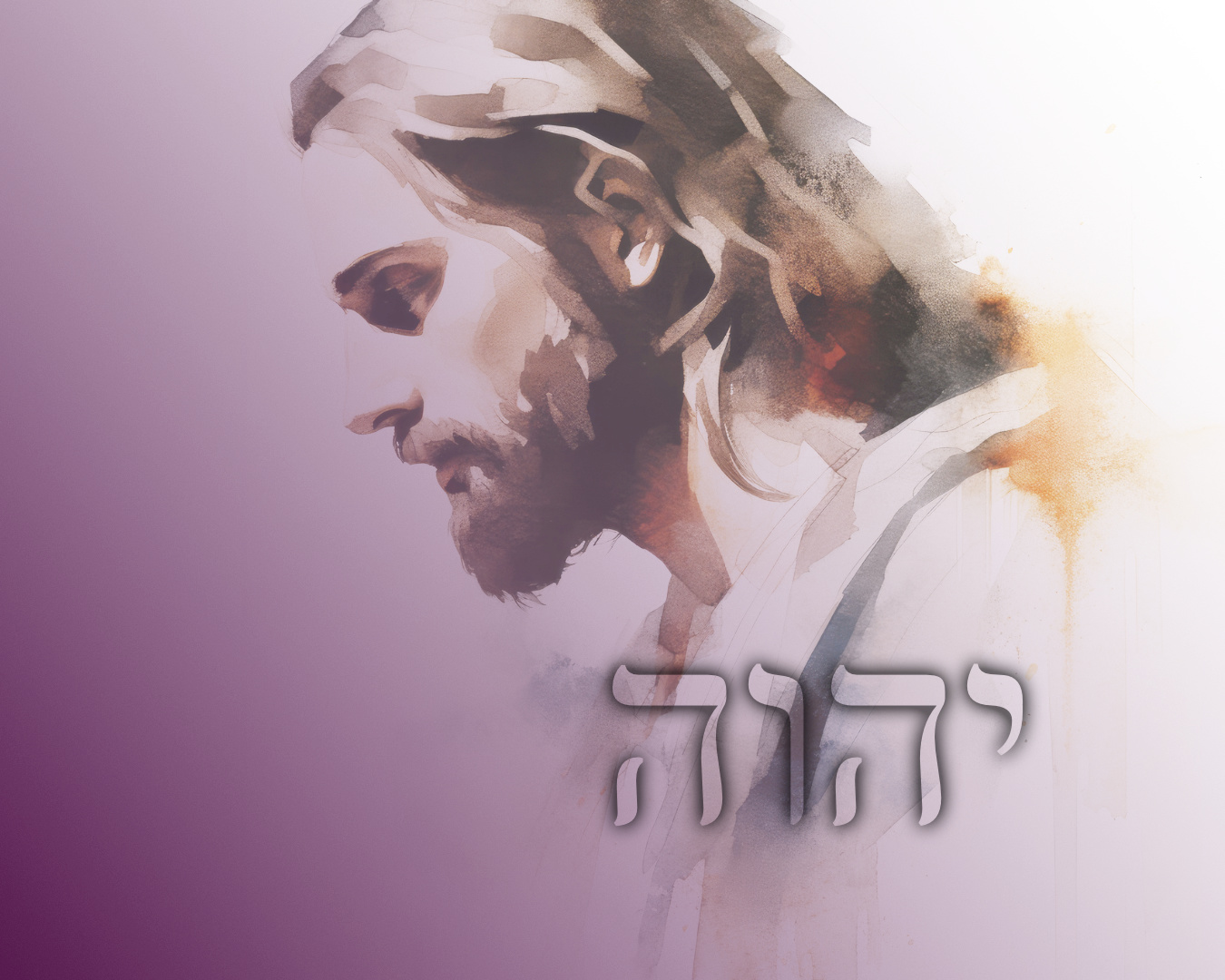
The Scripture readings for tonight’s service are Isaiah 53:4-6; Psalm 102:1-2, 12; John 11:17-27; Luke 23:33-38; Luke 23:39-43; John 19:25-27; Mark 15:33-35; John 19:28-29; John 19:30; and Luke 23:45b-47.
In the name of Jesus. Amen.
Dear saints, on this Good Friday—just before we hear the seven words of Jesus from the cross—Jesus says to us, “I Am the Resurrection and the Life.”The first thing we need to have straight in our minds is that the Resurrection isn’t just a future event on God’s calendar. It isn’t only something that will happen on a particular day of a particular month of a particular year. No. The Resurrection is much more definite than that.
Instead of saying that He will cause a resurrection to happen, Jesus says that He is the embodiment of Resurrection and Life. The Resurrection is a Person. The Resurrection and the Life is your Savior, your Redeemer, your God who took on your flesh and blood. That means where Jesus is, there is the Resurrection and there is the Life.
It certainly is true that the Resurrection of all flesh is also something that will happen in the future. Jesus says, “An hour is coming when all who are in the tombs will hear My voice and come out”(Jn. 5:28-29). Christian, you rightly confess in the Creeds that you believe in “the Resurrection of the body, and the Life everlasting” (Apostles’) and that you “look for the Resurrection of the dead, and the Life of the world to come” (Nicene). But even now, believer, you are in the Resurrection and the Life. Jesus promises that though your heart may stop beating and you die, yet shall you live. Even better—Jesus goes one step further—you who live through faith in Christ shall never die (Jn. 11:25-26).
This is one of the most profound and comforting promises Jesus makes, but it is not easy to believe. After Jesus makes this promise, He asks Martha, “Do you believe this?” I don’t think there is any question that Jesus is asking Martha if she believes all four things He just said. 1) That He is the Resurrection. 2) That He is the Life. 3) That everyone who believes in Him will live even though he dies. And 4) That everyone who lives and believes in Him shall never die.
Martha’s answer seems incomplete. Notice, she doesn’t say, “Yes, Lord. I believe You are the Resurrection and the Life.” Instead, she answers, “Yes, Lord. I believe that You are the Christ, the Son of God, Who is coming into the world.” With that answer, there’s no question that Martha is a Christian. But she doesn’t—at least not yet—have the comfort that Jesus is the Resurrection and the Life. She believes Jesus is the Messiah. She believes that He is the Son of God who has come into the world. But it sounds like Martha doesn’t think that Jesus has the power to give life right now, right in the middle of her grief over losing her brother to death.
I say that because in just a few verses, Jesus arrives at Lazarus’ tomb and tells the people to roll the stone away. And Martha says, “Lord, he’s been dead four days. If we roll the stone away, it’s going to stink” (Jn. 11:39). In other words, Martha thought it was too late for Jesus to do anything for her brother. But Jesus is about to show her the full reality of what she had confessed. Because Jesus is the Christ and the Son of God, He is also the Resurrection and the Life, and everyone who lives and believes in Him shall never die (Jn. 11:26).
Jesus arrives at Lazarus’ grave. The stone blocking the entrance to Lazarus’ tomb is rolled away. Jesus prays to His heavenly Father and cries out with a loud voice, “Lazarus, come out!” And I agree with whoever was the first to say that, if Jesus hadn’t called Lazarus—and only Lazarus—by name, then all the dead would have come out of the grave. “Lazarus, come out!” And Lazarus comes out from his grave alive (Jn. 11:41-46).
That day in the village of Bethany, death had to obey its Superior. But it isn’t long after this that the Resurrection and the Life marches straight into death’s jaws. On Good Friday, Jesus meets death face to face, not to demand the release of one man. He goes to defeat death once for all by giving Himself unto death.
It was the miracle of Jesus raising Lazarus from the dead that stirred the chief priests and Pharisees to plot Jesus’ death (Jn. 11:53). And our Lord wasn’t surprised by this. In fact, He had been repeatedly saying it would happen for much of His ministry. Jesus wasn’t surprised by their plot. It was the very reason He had come to earth. So tonight, we remember that the One who called Lazarus out of the tomb willingly goes into the tomb for you.
This also means, dear saints, that there is nowhere you can go that your Savior, who is the Resurrection and the Life, hasn’t been before. He knows what it is to be human—in every aspect—from conception to adulthood. He knows what it is to have friends and family who sometimes fail Him. He knows what it is to be hungry, thirsty, and tired. He knows what it is to be tempted (Heb. 4:15). He knows how it feels to mourn the death of loved ones (Jn. 11:34-36). He even knows death (Jn. 11:30).
Because the Resurrection and the Life has been in all those places, His holiness has sanctified them and left resurrection and life in His wake.
So tonight, dear saints, as you hear the seven words of Jesus from the cross, don’t hear them as the pitiful cries of a dying man. Instead, hear them for what they really are. They are the words of the Resurrection and the Life accomplishing your salvation and defeating death for you.
The Resurrection and the Life prays, “Father, forgive them, for they know not what they do” (Lk. 23:34) because He pays the full price for your forgiveness.
The Resurrection and the Life says to the thief on the cross, “Truly, I say to you, today you will be with Me in Paradise” (Lk. 23:43) because He is opening heaven even while He hangs under the sentence of death.
The Resurrection and the Life says, “It is finished,”(Jn. 19:30) because He has broken death’s power over you forever.
And the Resurrection and the Life says, “Father, into Your hands I commit My Spirit” (Lk. 23:46). His Body will be in the tomb for three days, but that same Body will rise again to bring Resurrection and Life to all who believe in Him.
Dear saints, tonight is not a funeral for Jesus because He is the Resurrection and the Life. Even though death is a powerful enemy, it is not possible for death to hold Christ (Act. 2:24). In Jesus’ crucifixion, death swallowed more than it could chew. His death has caused death itself to die. By Christ’s death, death itself is forever swallowed up in Resurrection victory (Is. 25:8; 1 Co. 15:54).
Because you are joined to Him in faith, it cannot hold you either. As surely as He called Lazarus from the grave, He will also call you from yours.
Believer, tonight, Jesus says to you, “I Am the Resurrection and the Life. Whoever believes in Me, though he die, yet shall he live, and everyone who lives and believes in Me shall never die” (Jn. 11:25-26). By the power of His life-giving Word, you can believe it. Amen.
The peace of God, which surpasses all understanding, will guard your hearts and minds in Christ Jesus (Php. 4:7). Amen.


You must be logged in to post a comment.